

Running
Isaac KimeliBeersel, Belgium
Elite athlete
De hoogtent heeft al voor een hele goed indruk gezorgd tijdens trainingen. Jammer genoeg zijn er geen wedstrijden, omwille van de Corona, om mijn vorm te bewijzen.
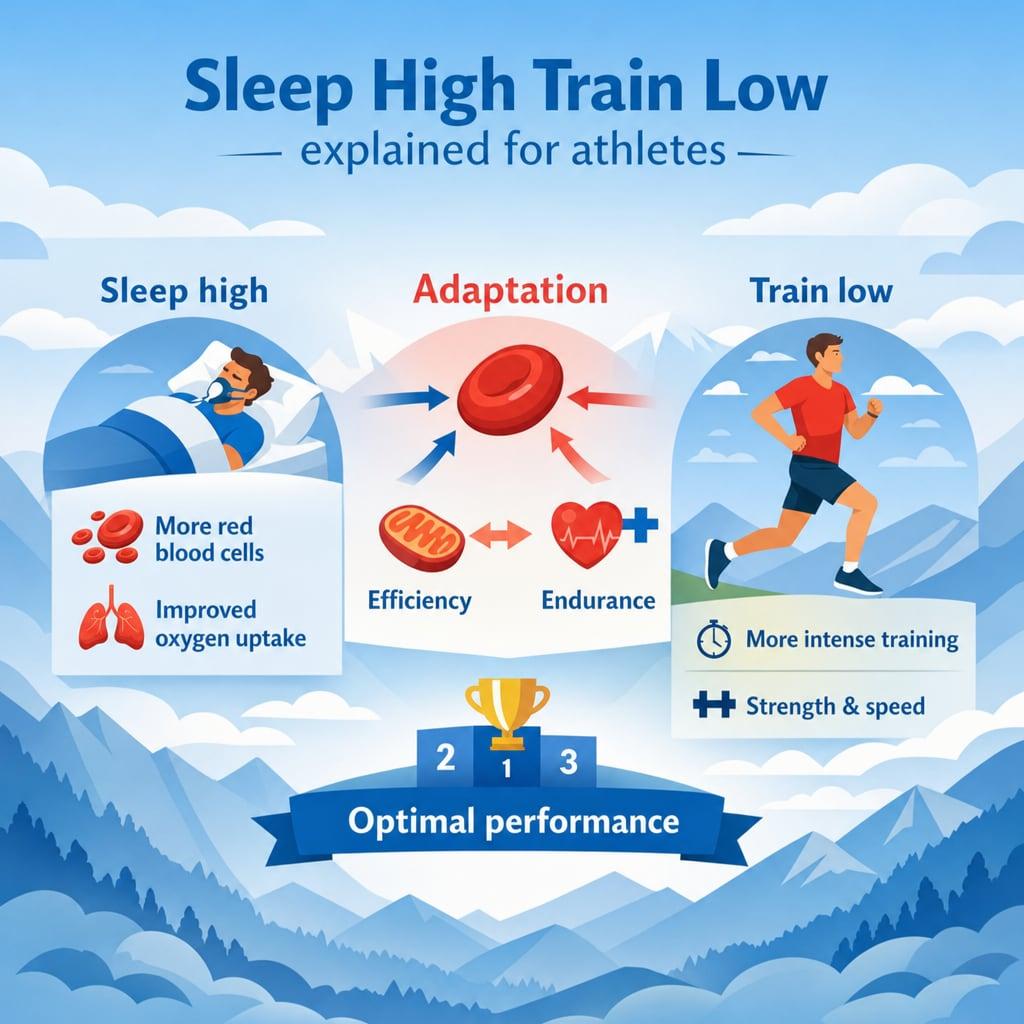
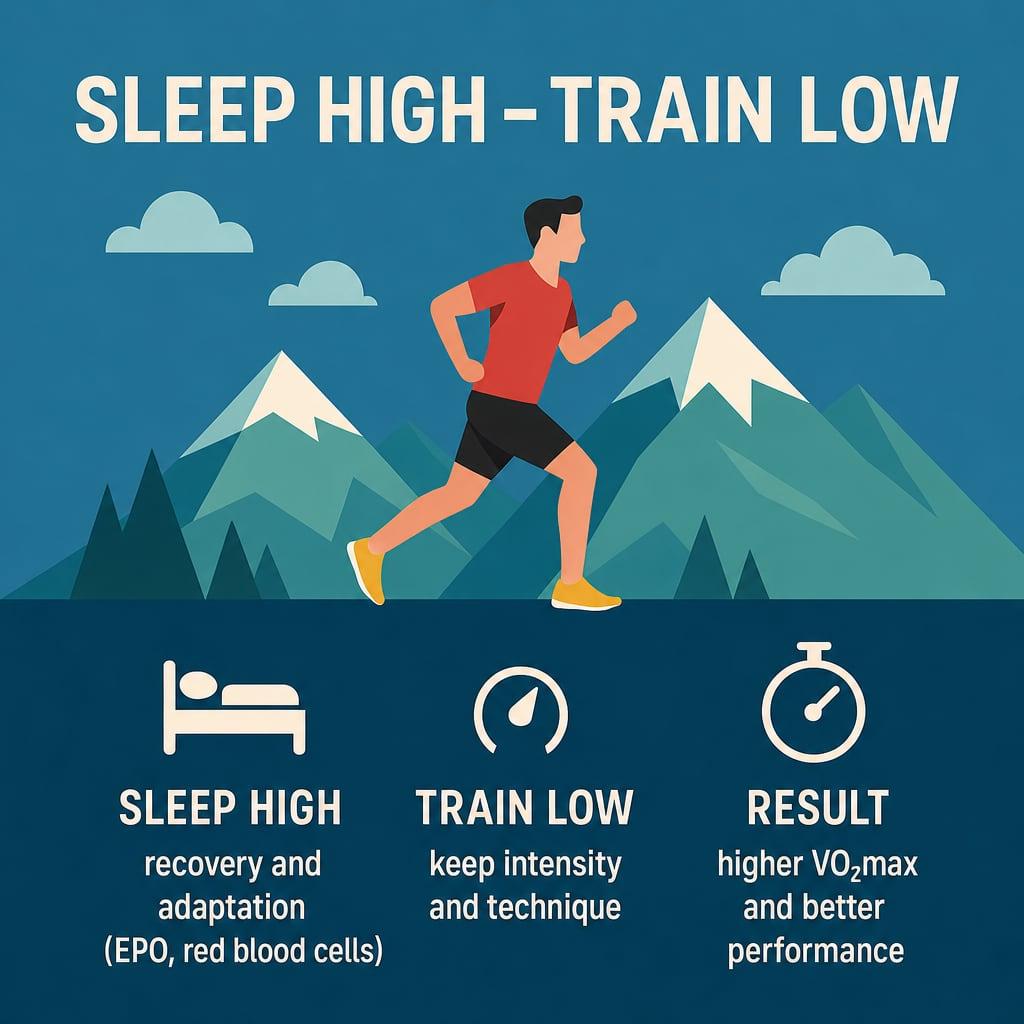
The method behind altitude training at home: sleep at altitude for adaptation, train at sea level for quality.
4 to 6 weeks of adaptation, taper 7 to 10 days before the peak race.
Live high, train low is the best-researched form of altitude training. Sleeping in lower oxygen makes your body produce more EPO and red blood cells, while you can train at full intensity during the day. An altitude tent brings this principle to your bedroom.
Night: 8 hours at 2,000 m to 2,800 m. Your body produces more EPO and red blood cells.
Day: During the day you train at full intensity at sea level.
At least 7 hours a night. You build up the altitude by your morning reading.
Sports performance
What really works when sleep high train low? Practical explanation of altitude training for athletes, physiology, pitfalls and application.
Sports performance
Find out how ’sleep high, train low’ really works. The science behind this popular altitude training method and how to best apply it

Sports performance
Sleep high, train low - applicable? Use this protocol with SpO2 guidelines, progression schedule, monitoring, and practical decision rules.
“1ste keer in de hoogtetent: Een ruim persoonlijk record in Amsterdam Marathon. 2de stage in de hoogtetent: Een 7e plaats in Boston Marathon.”
De hoogtent heeft al voor een hele goed indruk gezorgd tijdens trainingen. Jammer genoeg zijn er geen wedstrijden, omwille van de Corona, om mijn vorm te bewijzen.

Bedankt voor de snelle service. Jullie hadden meteen een oplossing zodat ik perfect mijn planning kon volgen en in mijn hoogtetent kon slapen. Thanks, Wout Van Aert.
Count on 4 to 6 weeks for noticeable adaptation. For expeditions above 6,000 m we recommend 5 to 8 weeks. We match your rental period to your departure or race date: you choose the end date, we count back.
Measure your oxygen saturation every morning. At 94% or higher raise the altitude, between 90 and 93% hold (the optimal adaptation zone), at 89% or lower reduce the altitude.
Tell us what you are working towards. We advise you personally on build-up, sleeping altitude and system.
Choose your sport. We translate your race date into a programme: when to start, how long to sleep at altitude and when to taper.
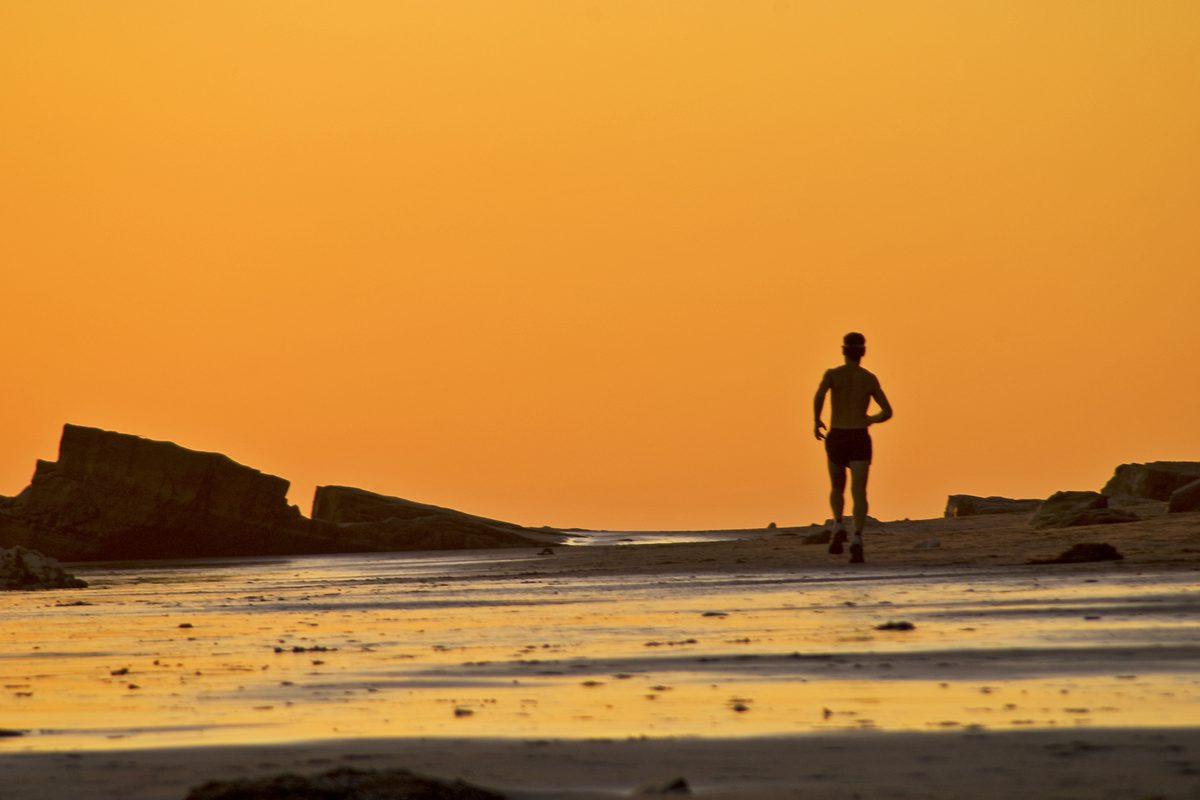
More VO₂max, more red blood cells and a higher lactate threshold towards your marathon, half marathon or trail run. Sleep high, train low.
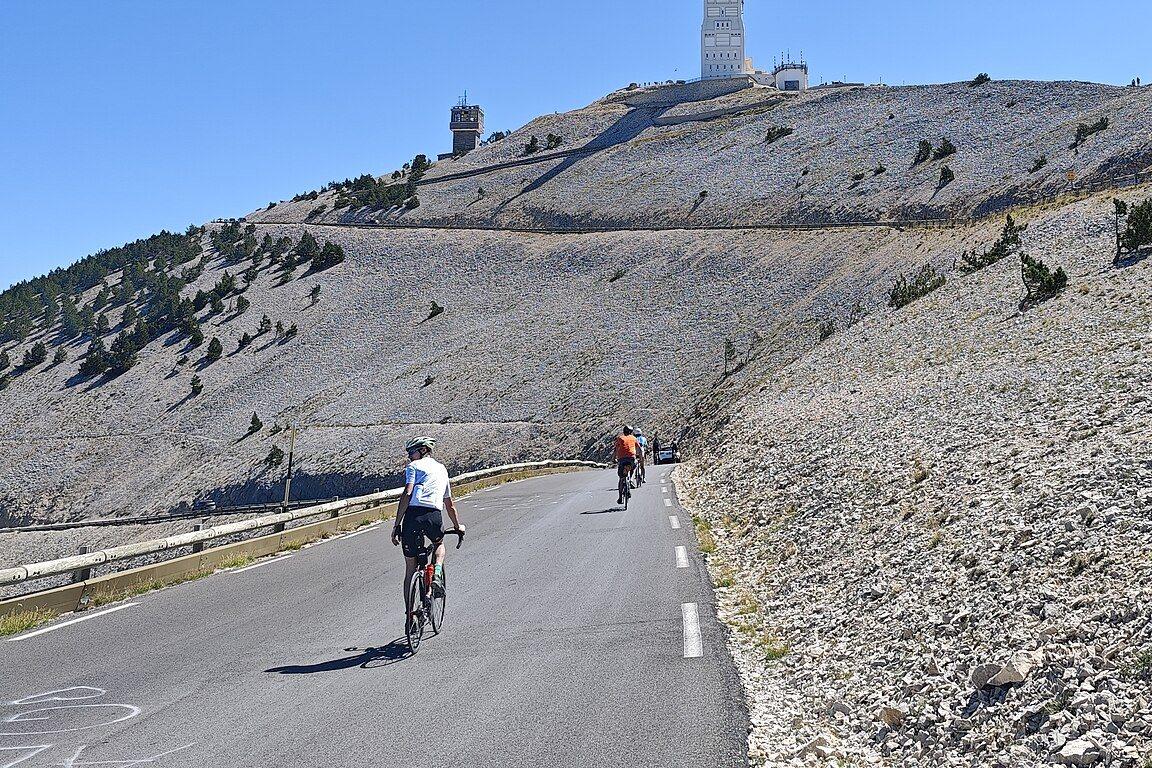
The alternative to an altitude camp abroad. Sleep at altitude in your own bed and keep your training routine, family and work.
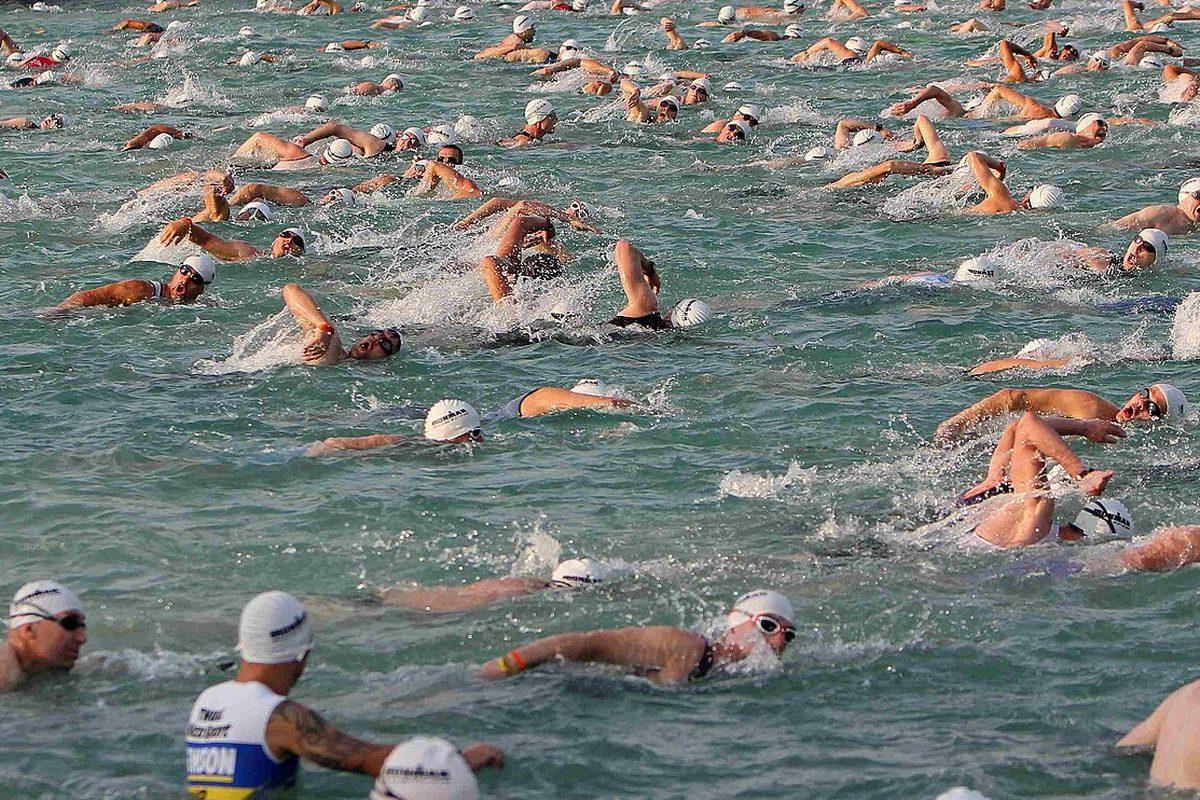
Ironman and triathlon preparation with altitude training: more endurance across three disciplines, without extra training hours.
Photos, cropped: Running: Damian Gadal (CC BY 2.0) · Cycling: FrogsLegs71 (CC BY-SA 3.0) · Triathlon: Johann Schwarz (CC BY 2.0)


