
Science
Hypoxia, SpO₂, HRV, altitude sickness and physiology.
The studies our protocols rest on; the articles follow.
- Brugniaux JV et al. (2006). Eighteen days of "living high, training low" stimulate erythropoiesis and enhance aerobic performance in elite middle-distance runners. J Appl Physiol 100:203-211
- Stray-Gundersen J, Chapman RF, Levine BD (2001). "Living high-training low" altitude training improves sea level performance in male and female elite runners. J Appl Physiol 91(3):1113-1120
- Dehnert C et al. (2002). Erythropoiesis and performance after two weeks of living high and training low in well trained triathletes. Int J Sports Med 23(8):561-566
- Puype J et al. (2013). Sprint interval training in hypoxia stimulates glycolytic enzyme activity. Med Sci Sports Exerc 45(11):2166-2174
Science
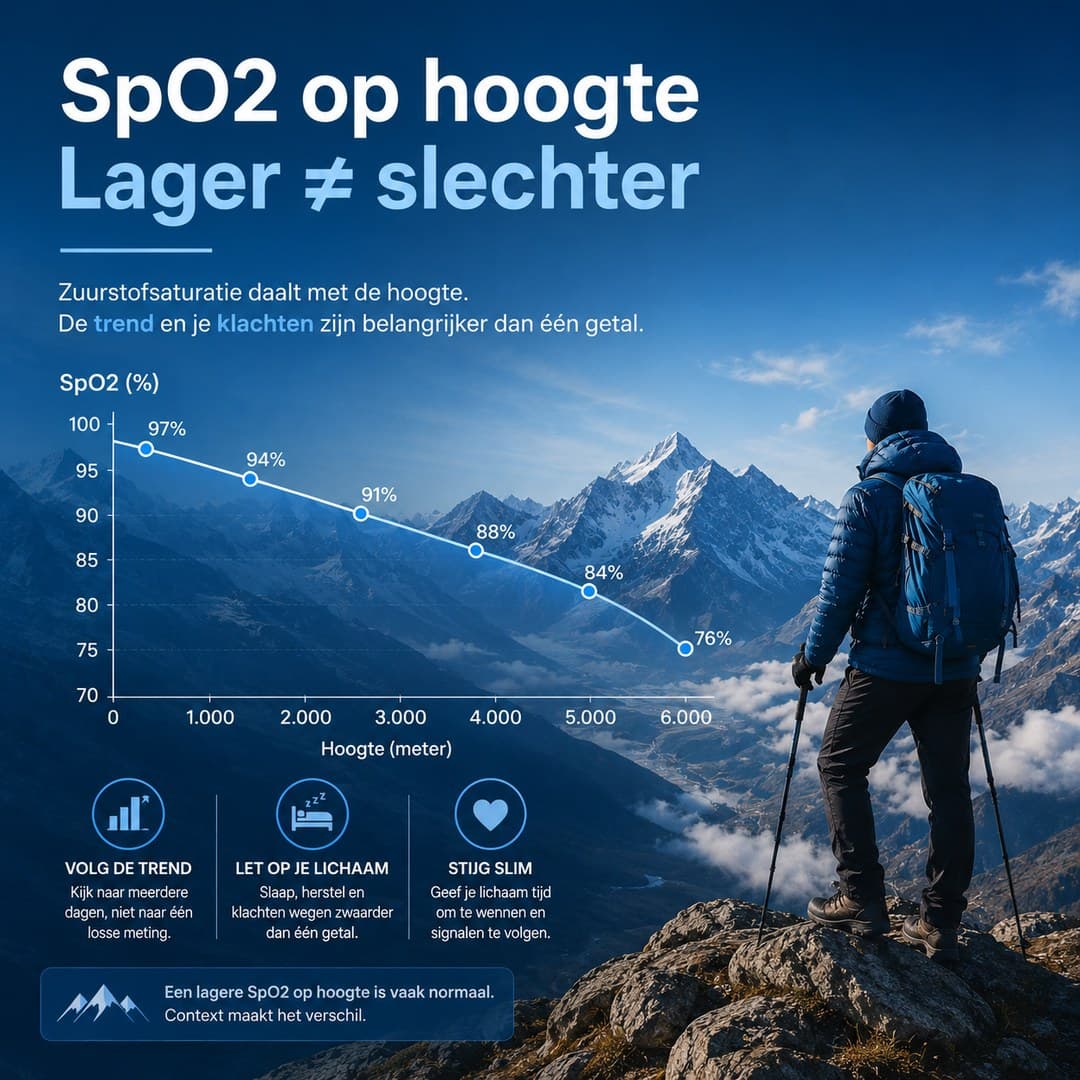
SpO2 levels by altitude: what is a normal oxygen saturation level in the mountains?
View normal SpO2 values by altitude and learn how to wisely interpret oxygen saturation in the mountains.
Science
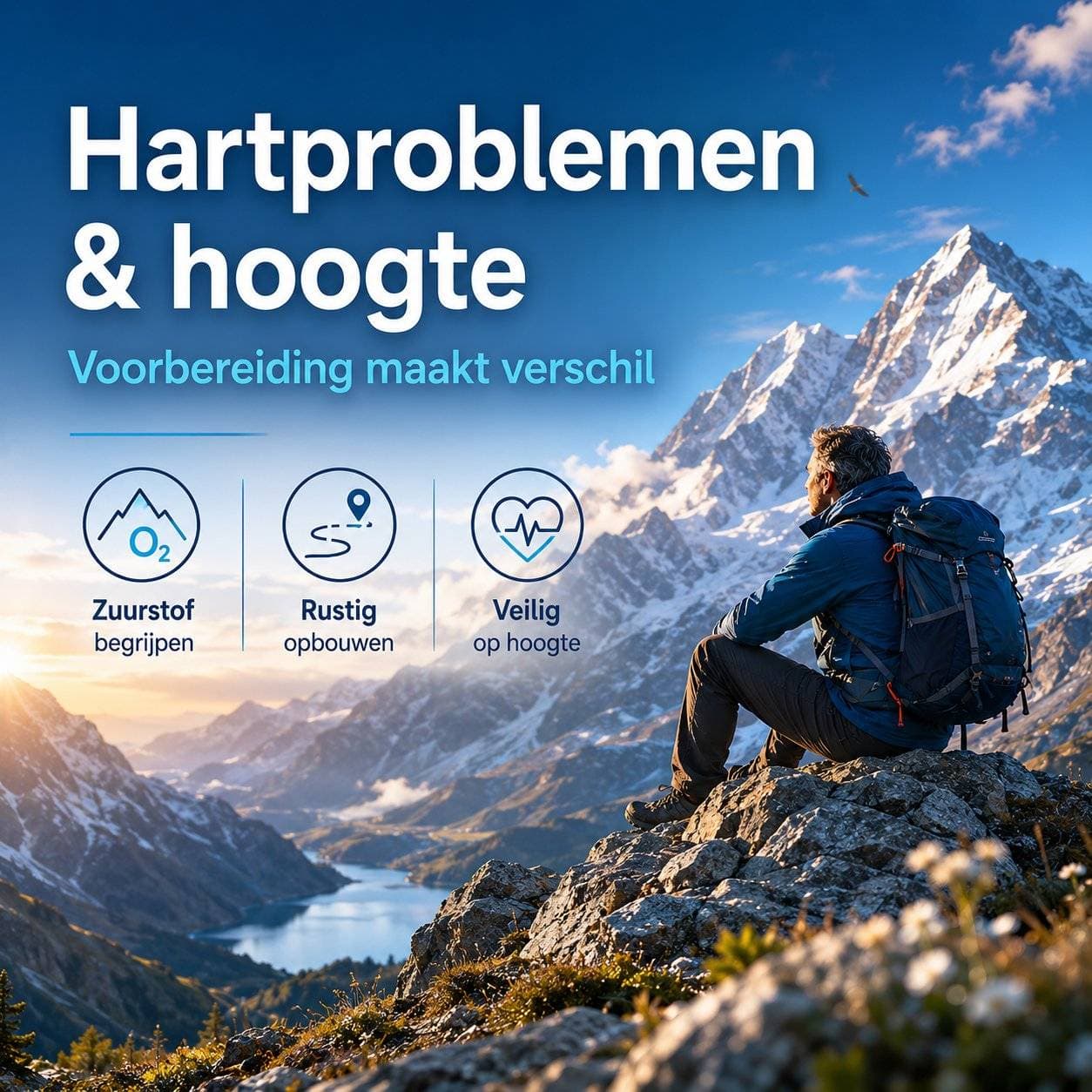
Going to the mountains with heart problems: what cardiologists and mountain doctors advise
To the mountains with heart problems? Discover what cardiologists and mountain doctors advise and how pre-acclimatisation can help.
Science
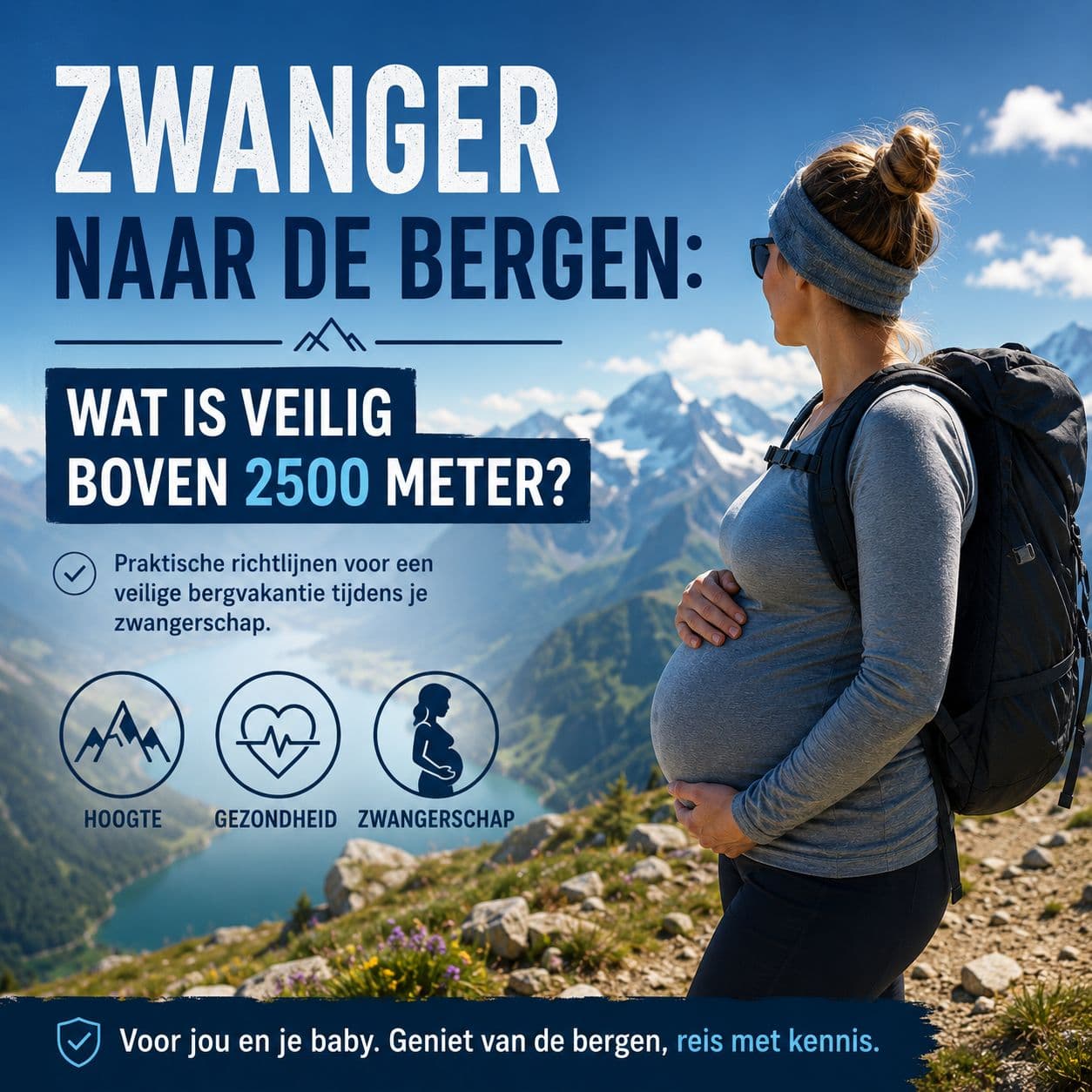
Travelling to the mountains whilst pregnant: what’s safe above 2,500 metres?
Pregnant in the mountains? What’s safe above 2500 metres and when should you be cautious?
Science
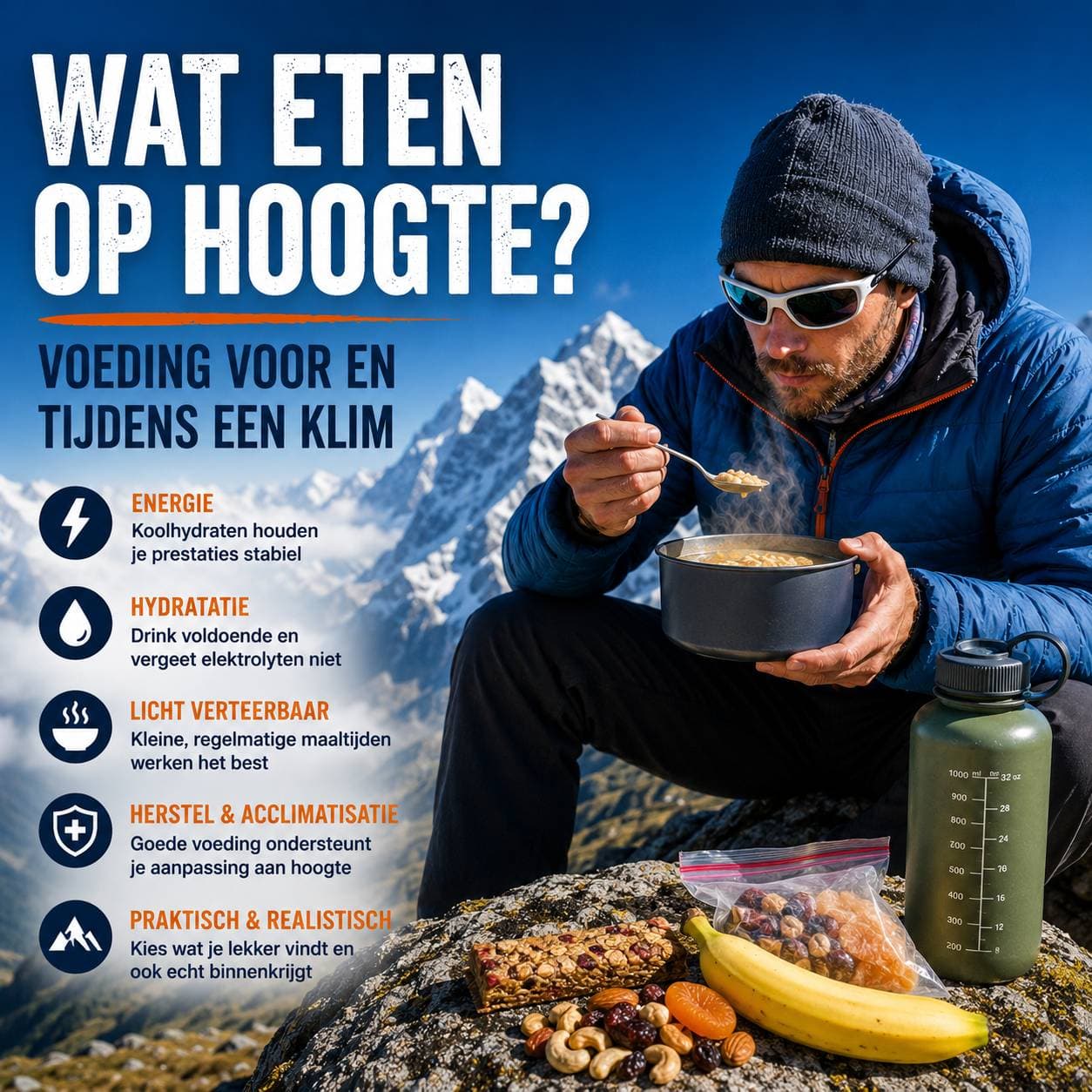
What to eat at altitude? Nutrition before and during a climb
What’s best to eat at altitude? Practical nutrition tips for acclimatisation, energy, hydration, and recovery during a climb or trek.

Science
Whoop vs Garmin altitude tent: which data is actually useful?
Whoop versus Garmin in the altitude tent: discover which wearable best helps with HRV, sleep, saturation, recovery, and smart training.
Science
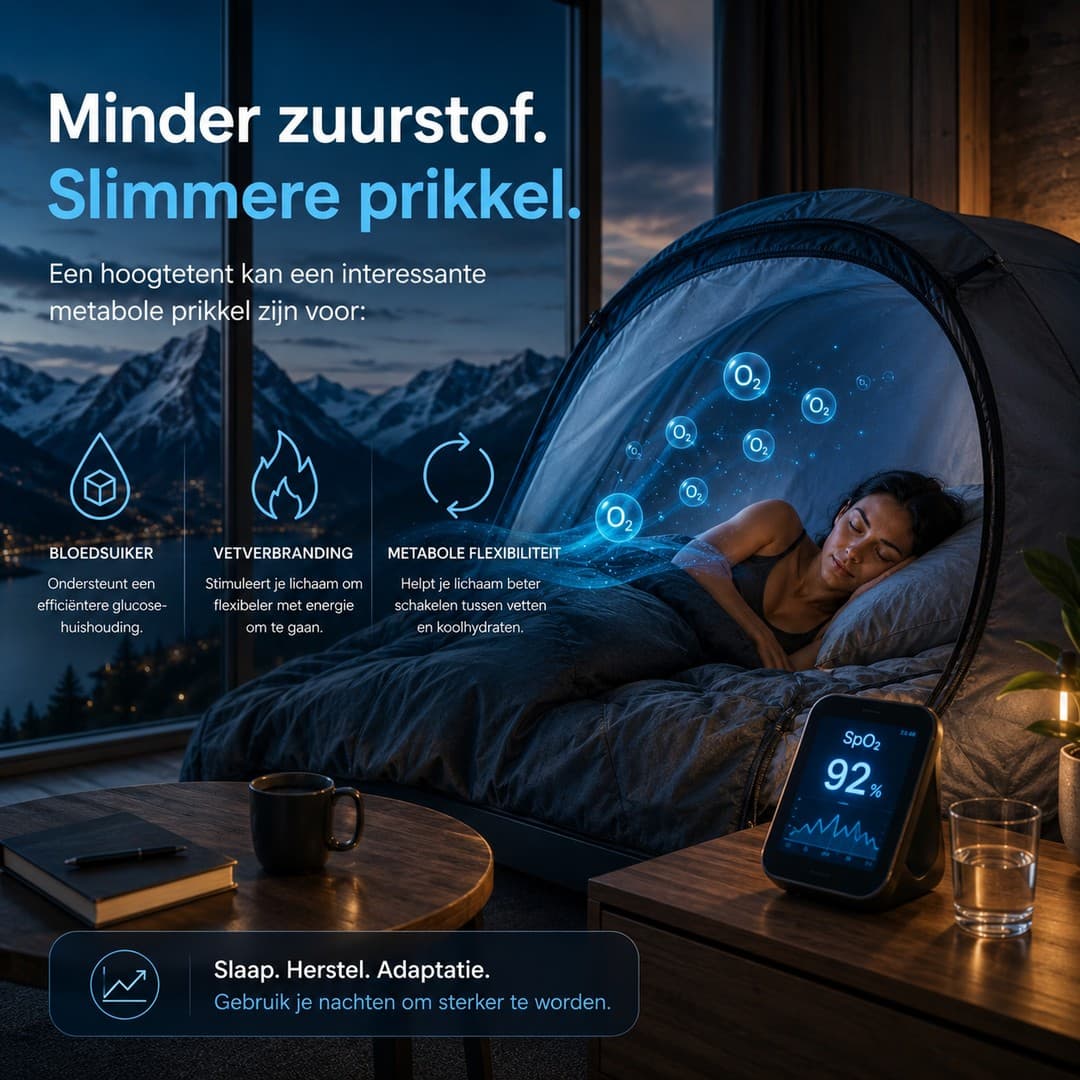
Altitude tents and insulin resistance: how does hypoxia affect blood sugar and fat burning?
What does an altitude tent do for insulin resistance with blood sugar and fat burning? Discover how hypoxia works as a metabolic stimulus.
Science
Hypoxia in ME/CFS and fibromyalgia: what early studies tentatively suggest
What do early studies say about hypoxia in ME/CFS and fibromyalgia? A cautious analysis of oxygen use, energy, and recovery.
Science
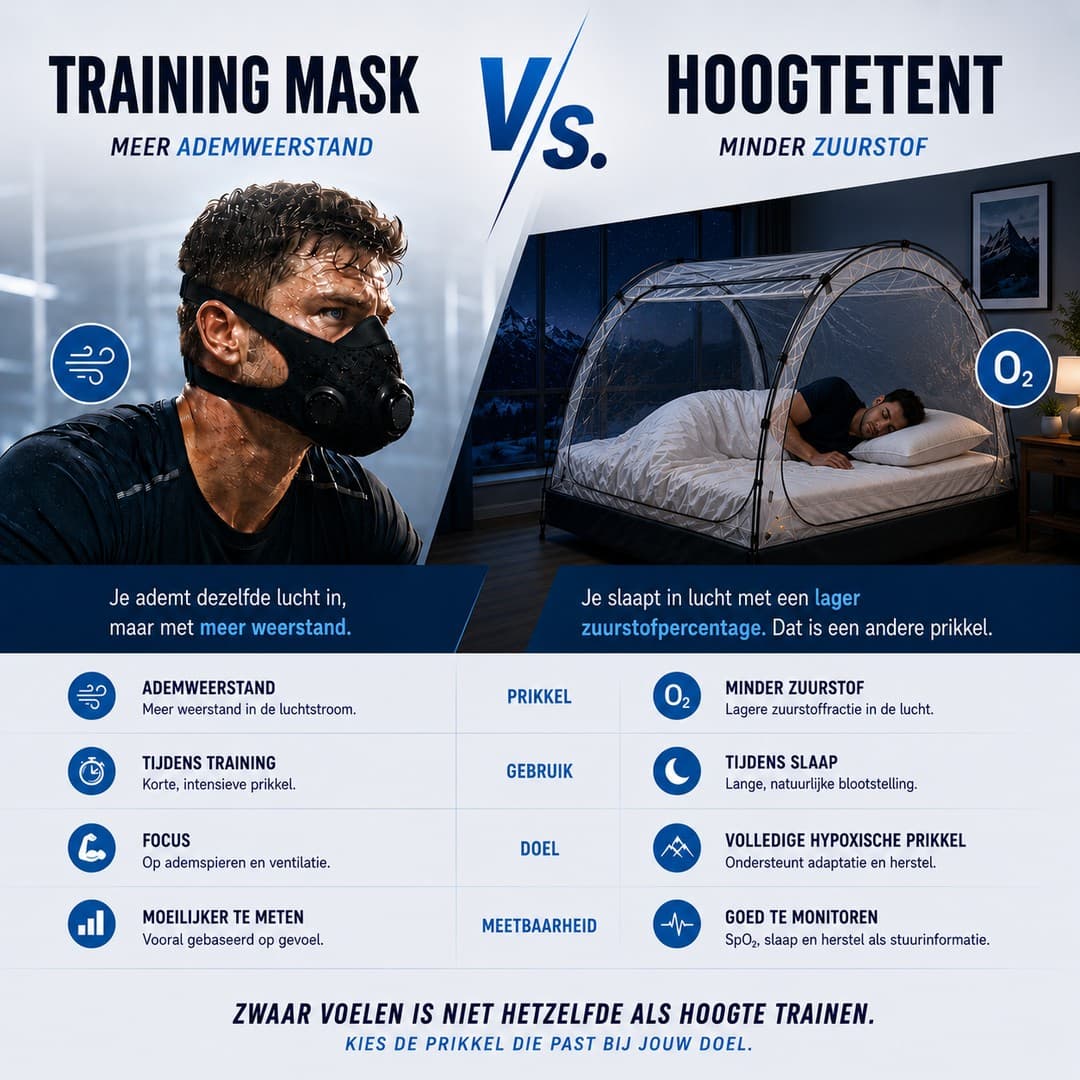
Training mask vs altitude tent: why a mask is no substitute for altitude training
A training mask feels heavy, but it doesn’t replace a hypoxic tent. Discover the difference between breathing resistance and a real oxygen stimulus.
Science
Hypoxia and longevity: what does the science say about oxygen deprivation and healthy ageing?
Hypoxia and longevity: what does science say about oxygen deprivation, hormesis, healthspan and healthy ageing?

Science
HRV-controlled altitude training: when to build up and when to rest.
HRV-driven altitude training: learn when to increase, maintain or decrease altitude based on HRV, SpO2 and recovery.
Science
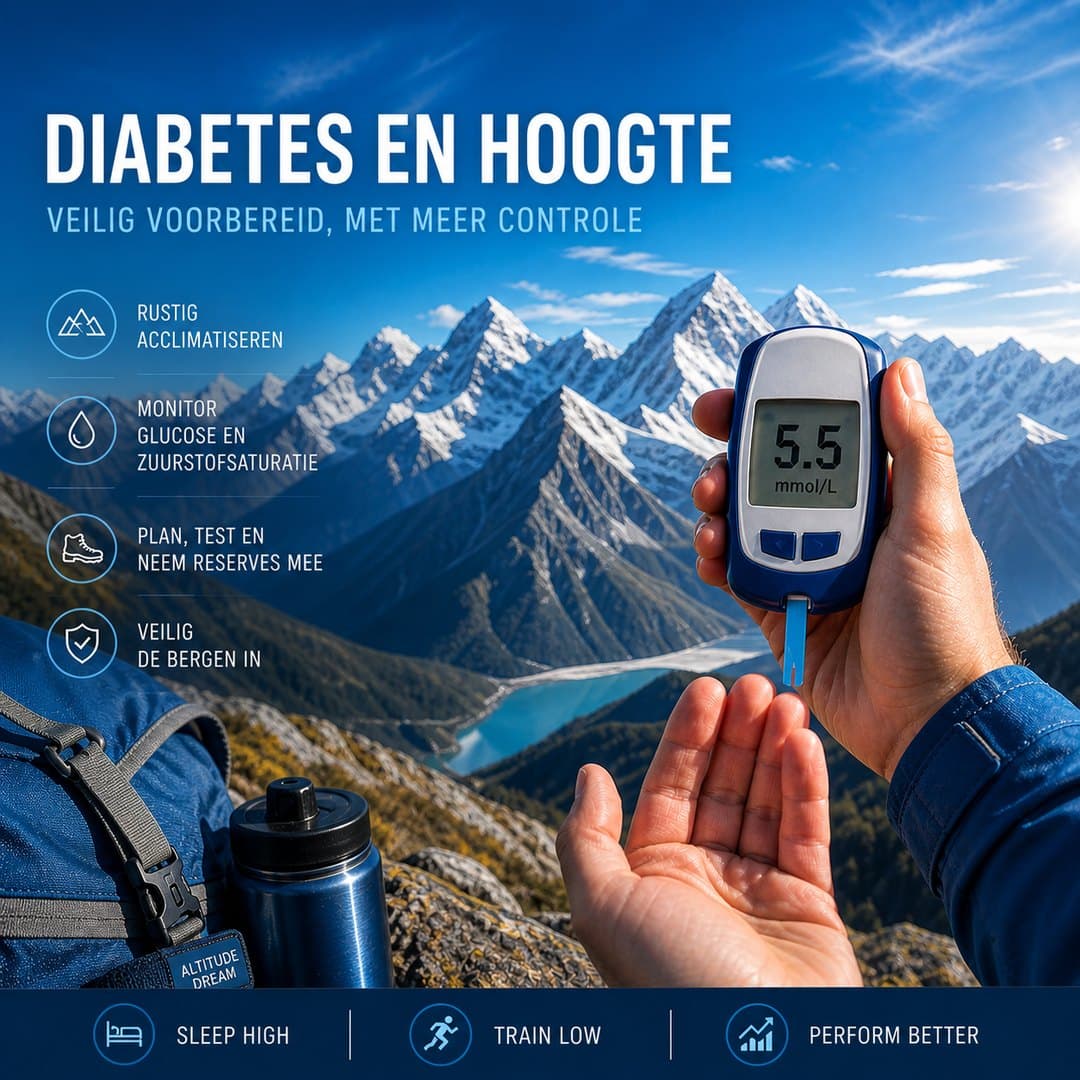
Diabetes and altitude: safely in the mountains
Diabetes and altitude require extra preparation. Read how to go safely into the mountains with glucose plan, monitoring and altitude tent.

Science
Erythropoietin (EPO): what is it and how do you raise it?
Erythropoietin (EPO) explained: what it is, how to raise it naturally and why altitude, iron and recovery together make the difference.
Science
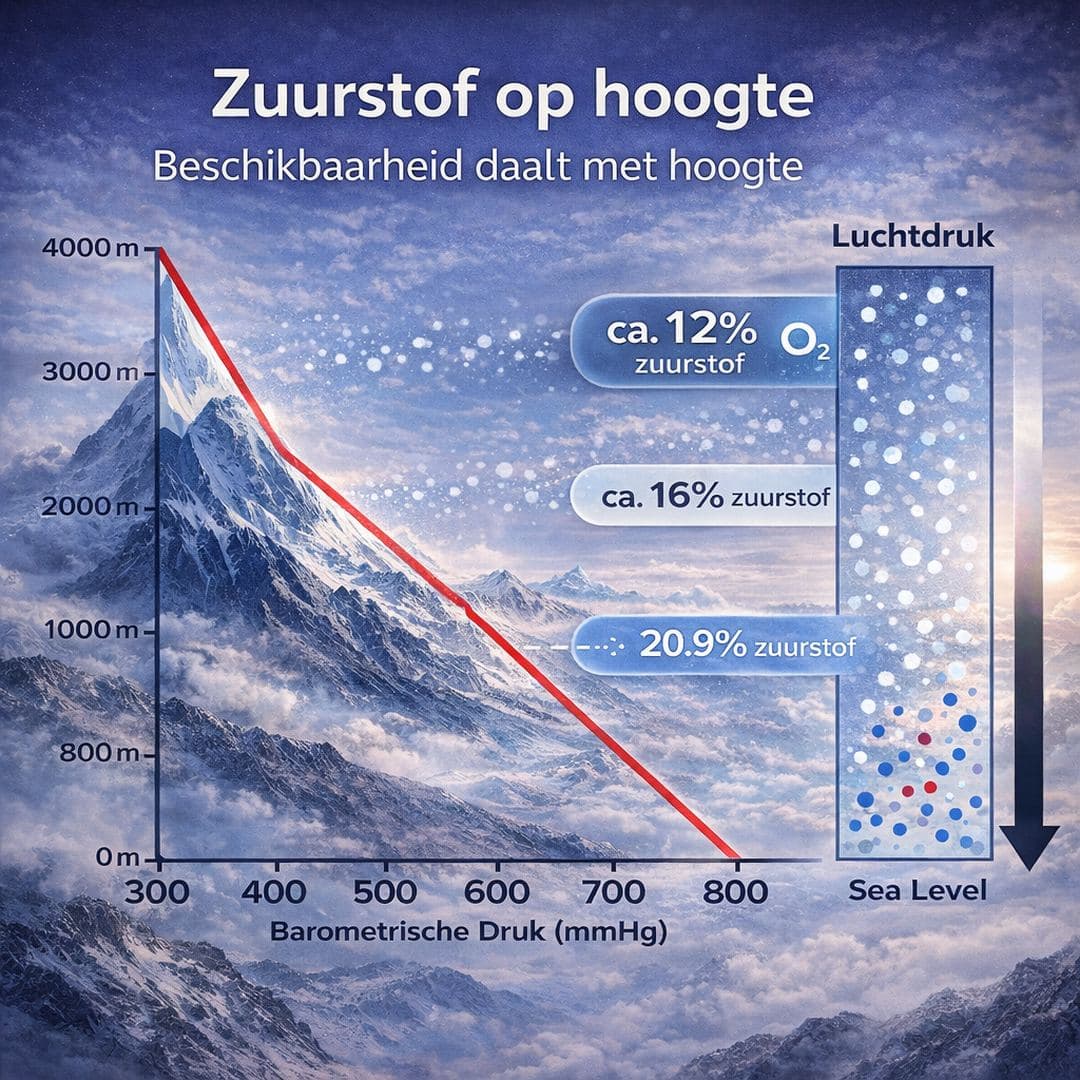
Oxygen content in air: explained by altitude
Oxygen content in air by altitude explained. Find out why the oxygen percentage remains the same but the available oxygen drops sharply.
Science
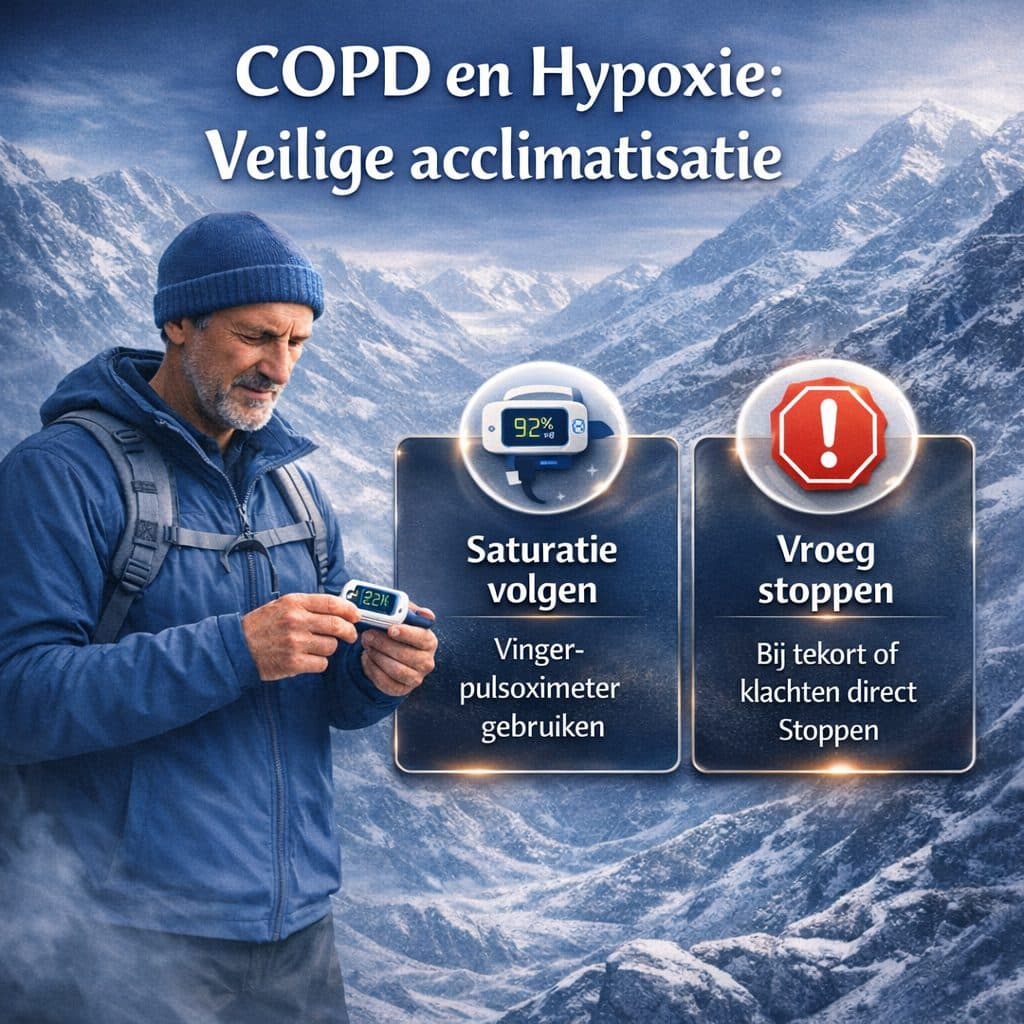
Elevation tent for COPD: safety and protocol
When is an altitude tent justified in COPD? Read safety criteria, monitoring, stopping rules and a prudent home protocol.
Science
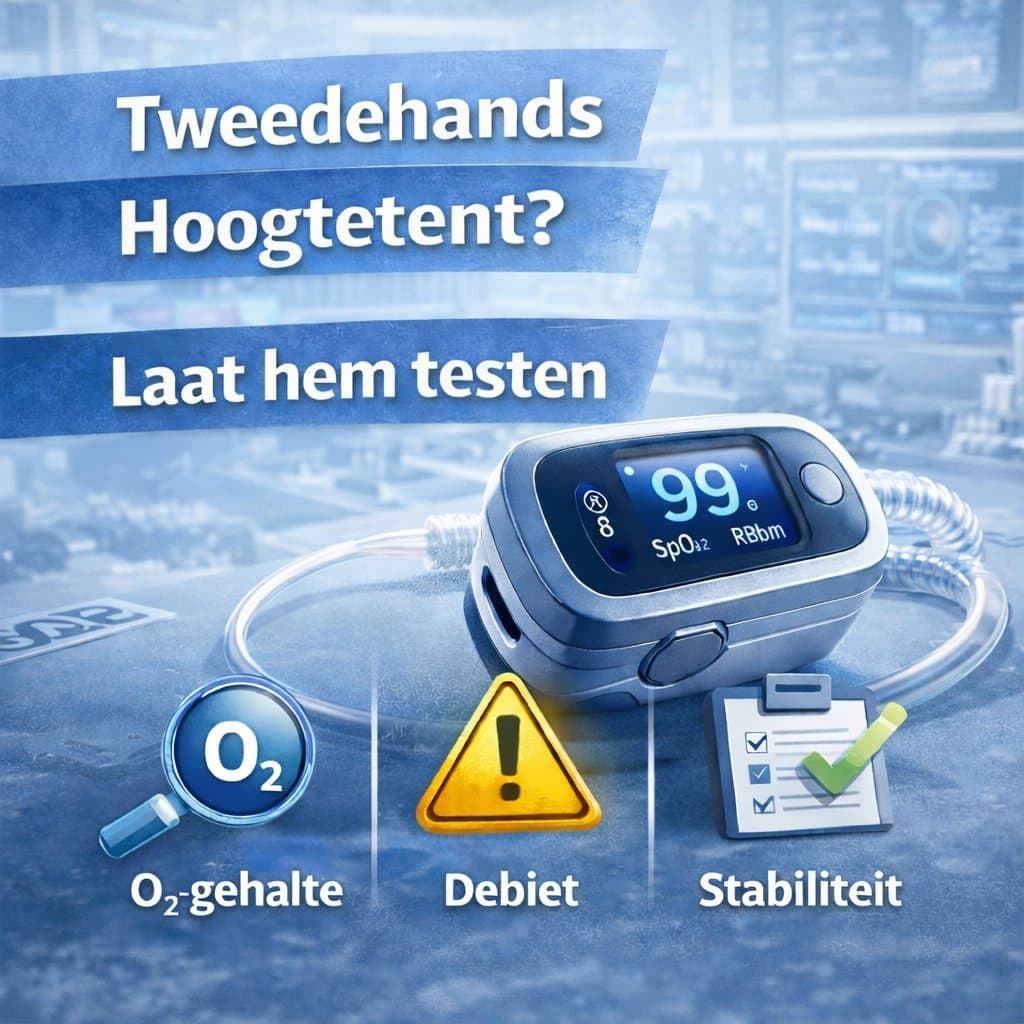
High altitude tent second-hand: what to look out for?
Buying an altitude tent second-hand? Find out what to look out for in terms of generator, flow rate, overhaul, ATF cells and stable operation.
Science
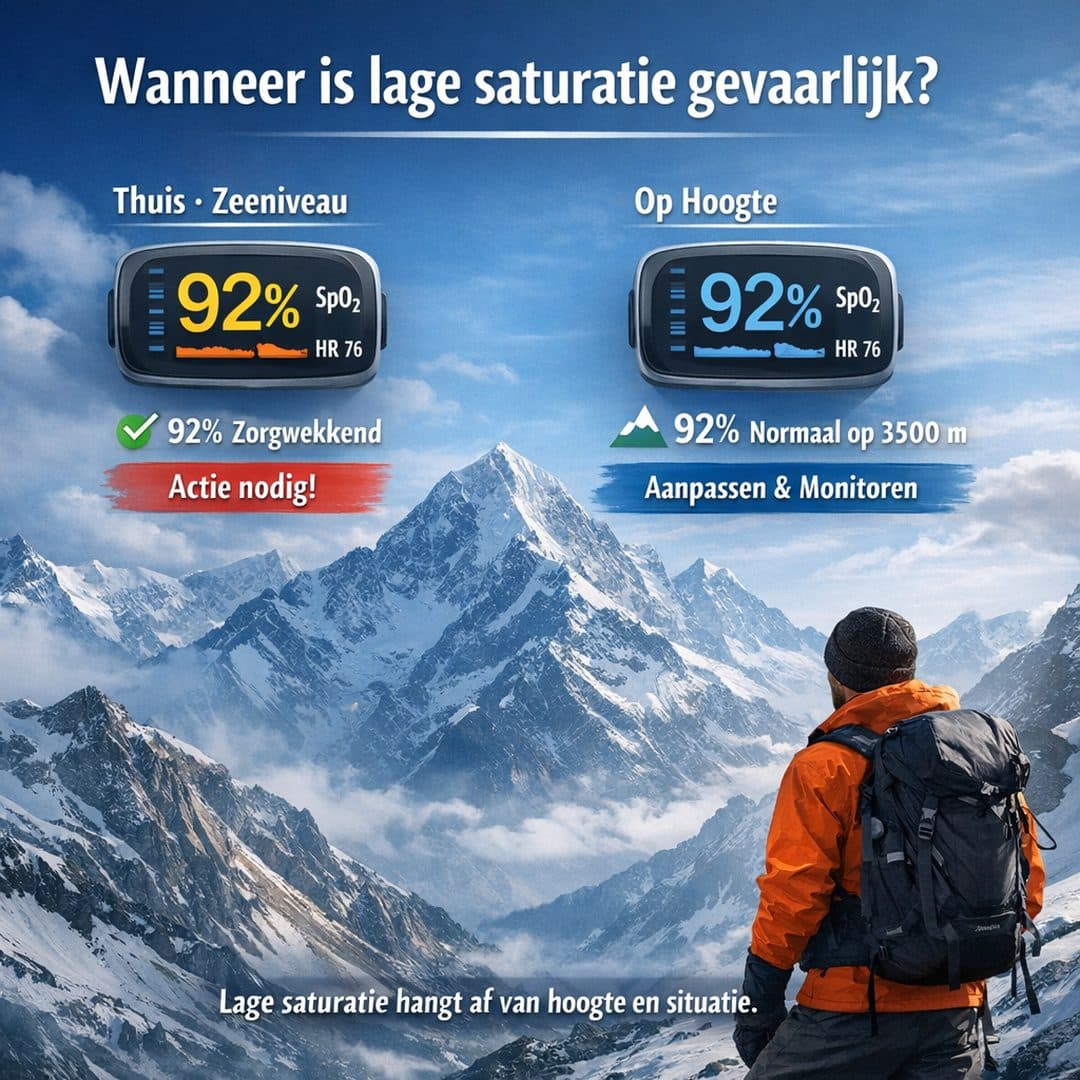
When is low saturation dangerous: guideline values
When is low saturation dangerous? Clear SpO2 guide values for home and altitude, including alarm limits, measurement errors and decision rules.
Science
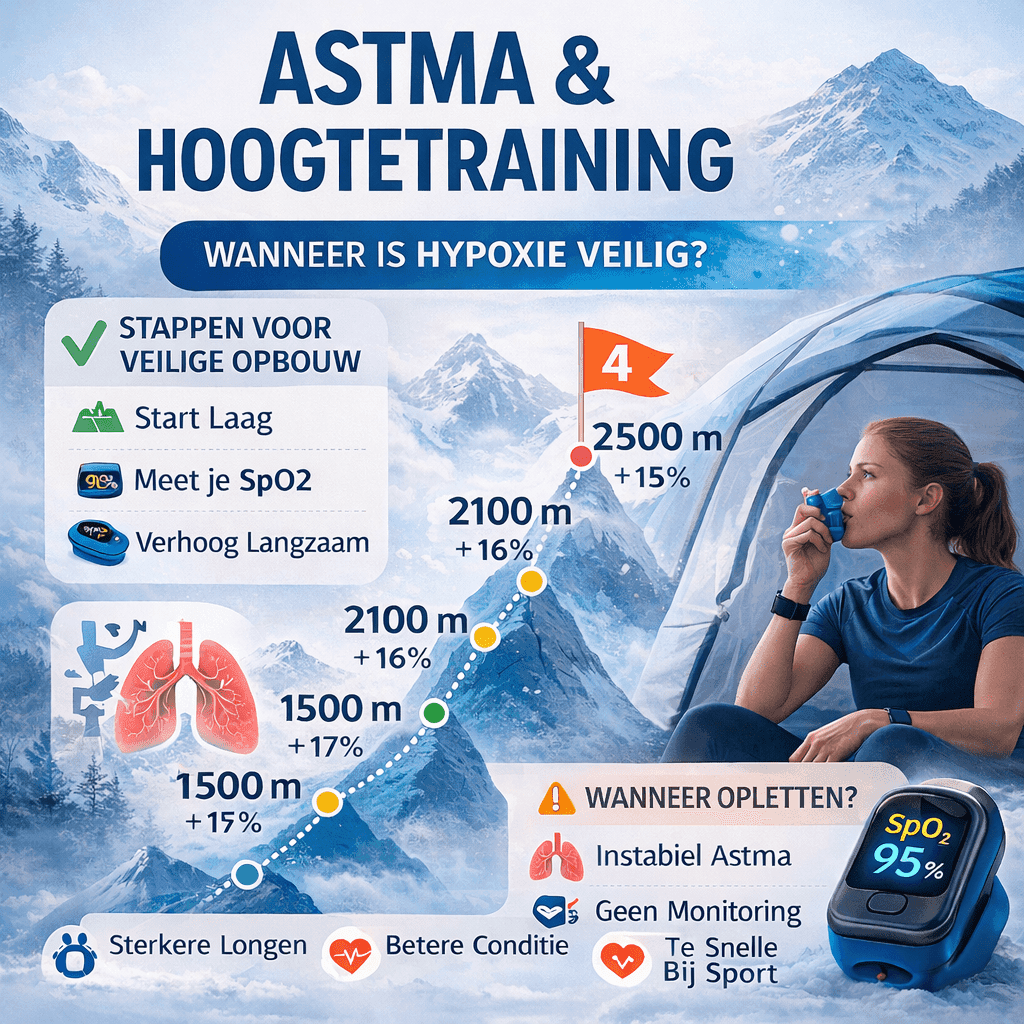
Altitude training and asthma: prohibited or beneficial for asthmatics?
Is altitude training safe in asthma? Find out benefits, risks and how to build hypoxia safely with monitoring and altitude training.
Science
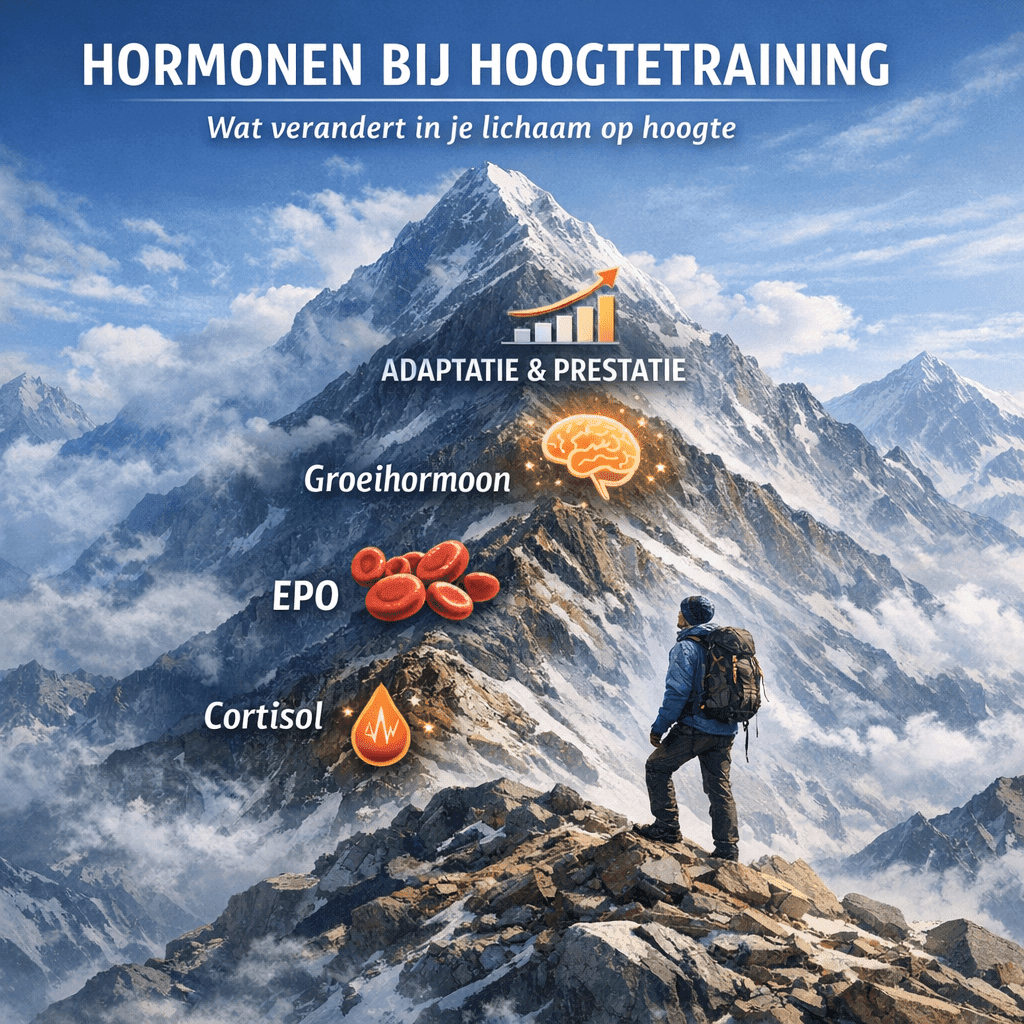
Altitude training and hormones: what changes in hormone levels?
Altitude training changes EPO, cortisol and testosterone. Read how hormones react to altitude and how to use it for better performance.
Science
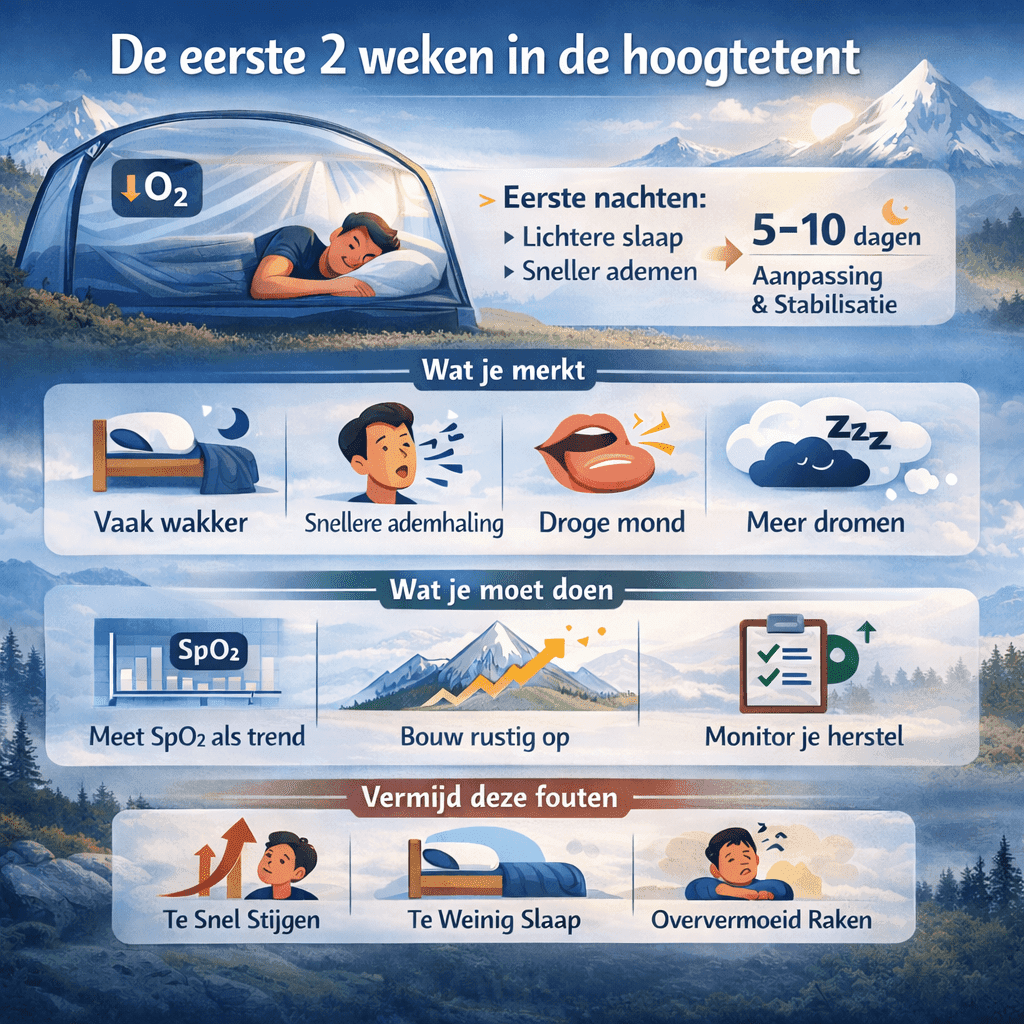
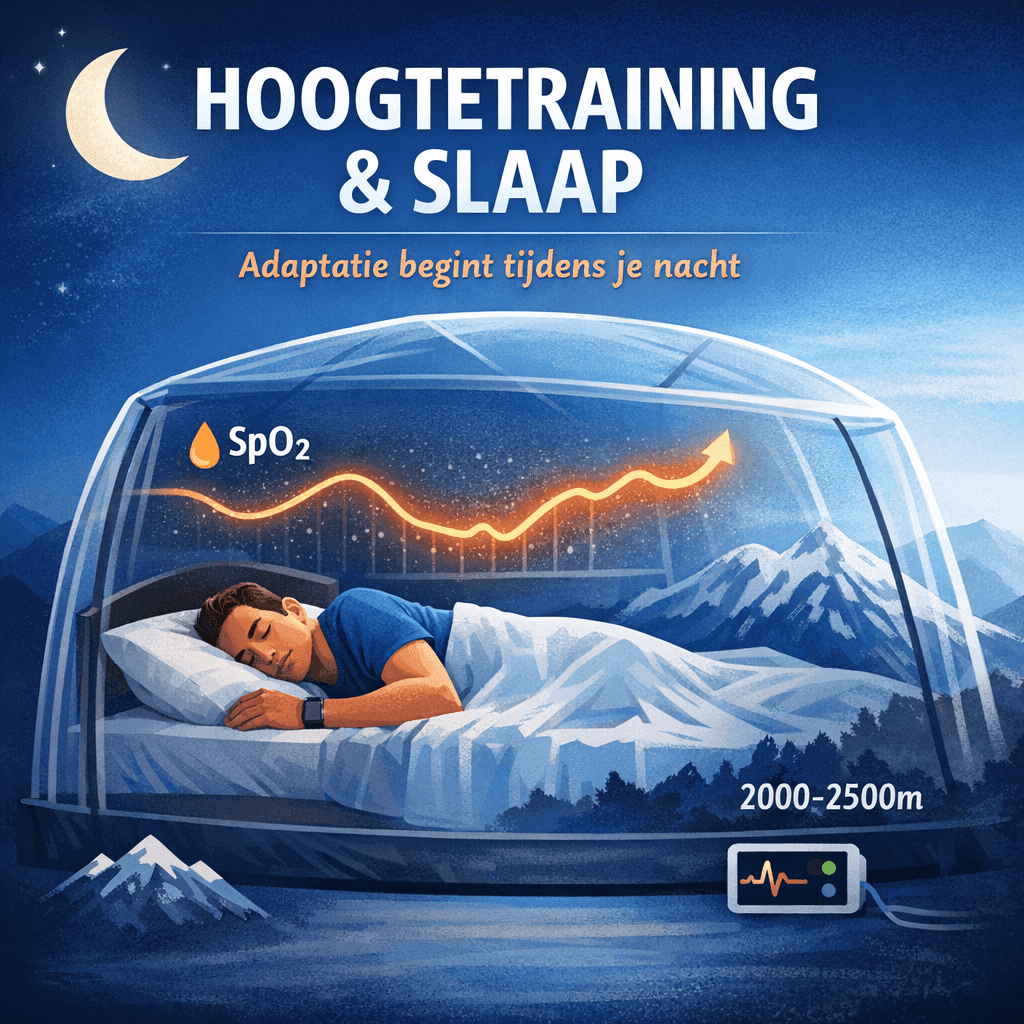
Sleeping in the high altitude tent: what to expect in the first 2 weeks
What happens when you start sleeping in an altitude tent? Find out what your body does in the first two weeks and how to smartly monitor it.
Science
High-training sleep quality: what the science really shows
High-training sleep quality explained. What does the science say? Find out how to optimise sleep during hypoxia training.

Science
Altitude tent asthma: safety and practical protocol
Using high altitude asthma safely? Discover the medically based protocol, monitoring and practical decision rules.

Science
IHT training at home: what is intermittent hypoxic training and does it really work?
IHT training at home explained. What is intermittent hypoxic training, does it really work and how do you monitor effect safely and objectively?
Science
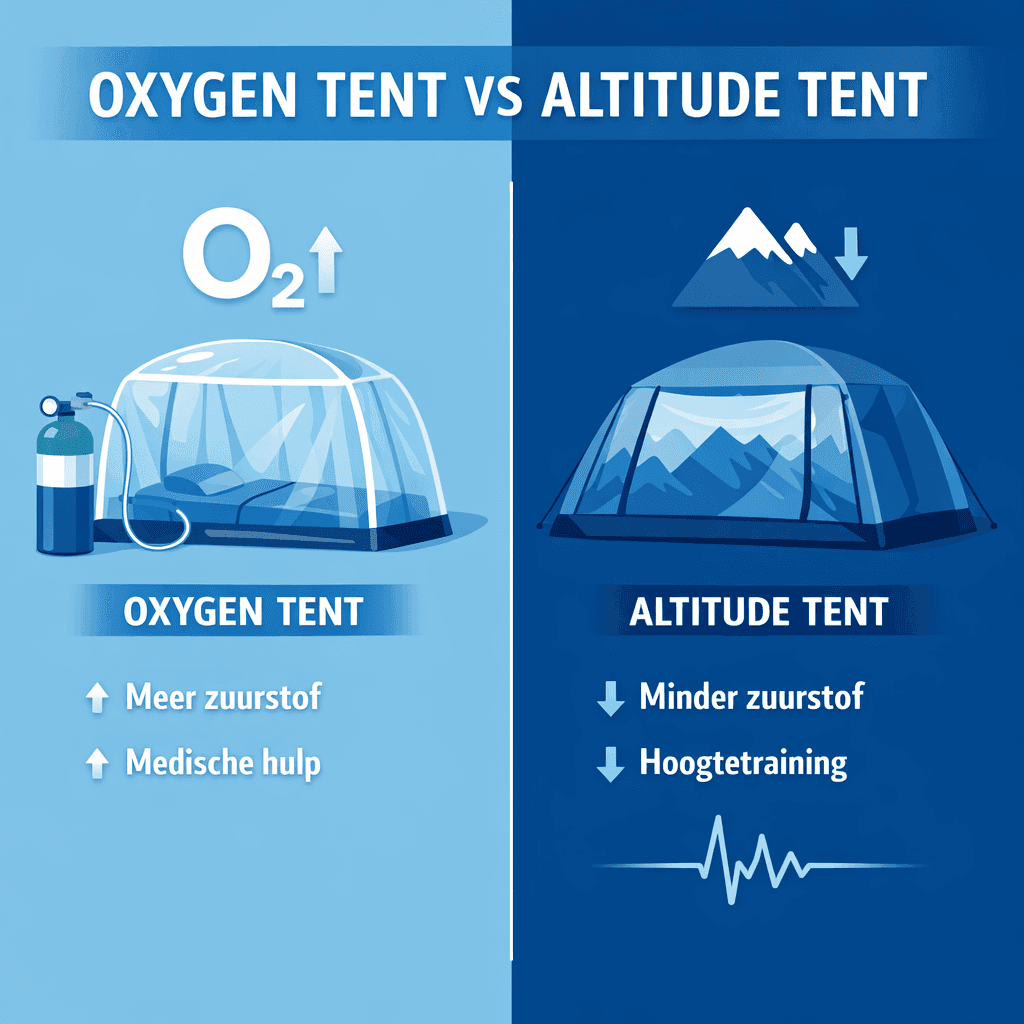
Oxygen tent vs altitude tent: what’s the difference?
What is the difference between an oxygen tent and an altitude tent? Clear explanation of operation, physiology and application in altitude training.
Science
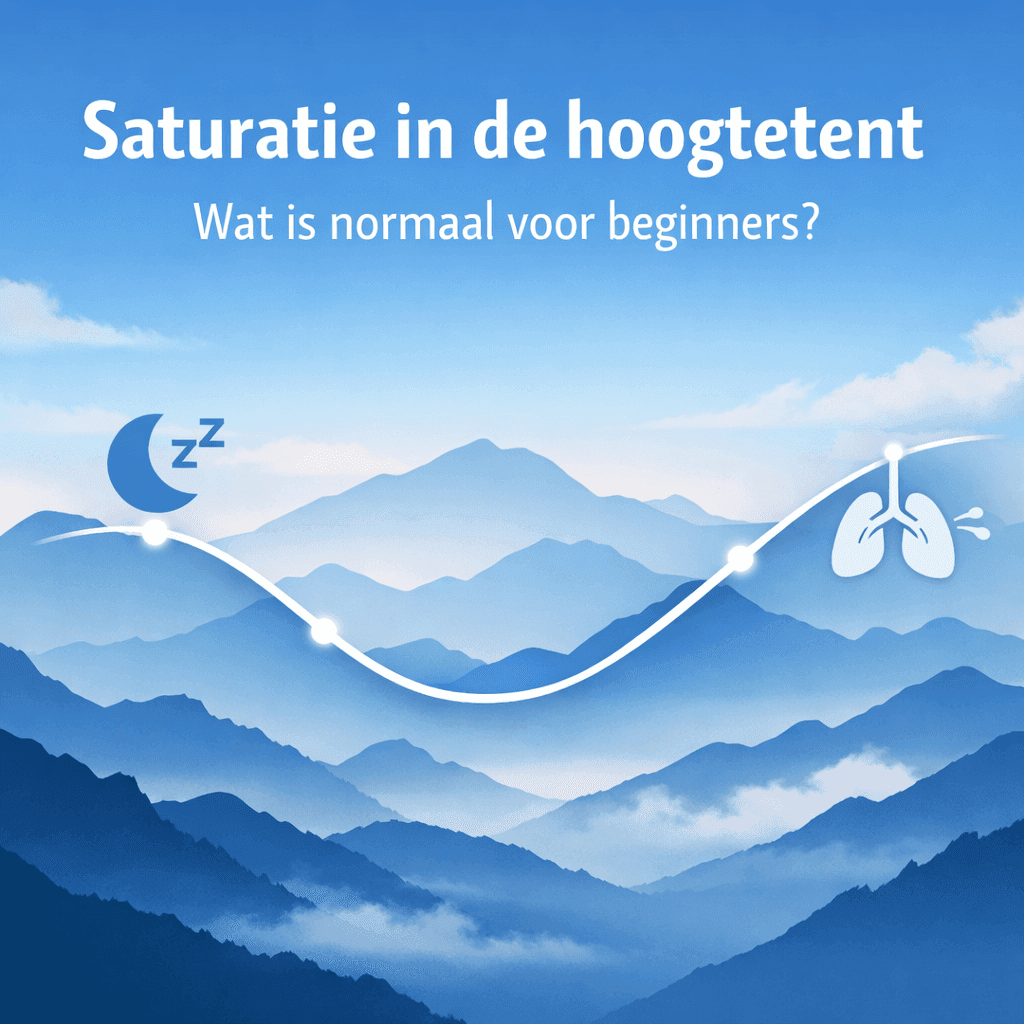
Using a high altitude tent: saturation in the tent - what is normal for beginners
What is normal oxygen saturation in the altitude tent? Learn how to correctly interpret SpO₂, what is normal for beginners and when to adjust.