The 8 most common mistakes in altitude training - and how to avoid them
Published 16 August 2025 · 4 min read
Altitude training is one of the most powerful ways to take your body and performance to the next level. But at the same time, it is also a method that requires preparation, knowledge and discipline. Those who start without a plan or guidance run the risk of training being more likely to backfire.
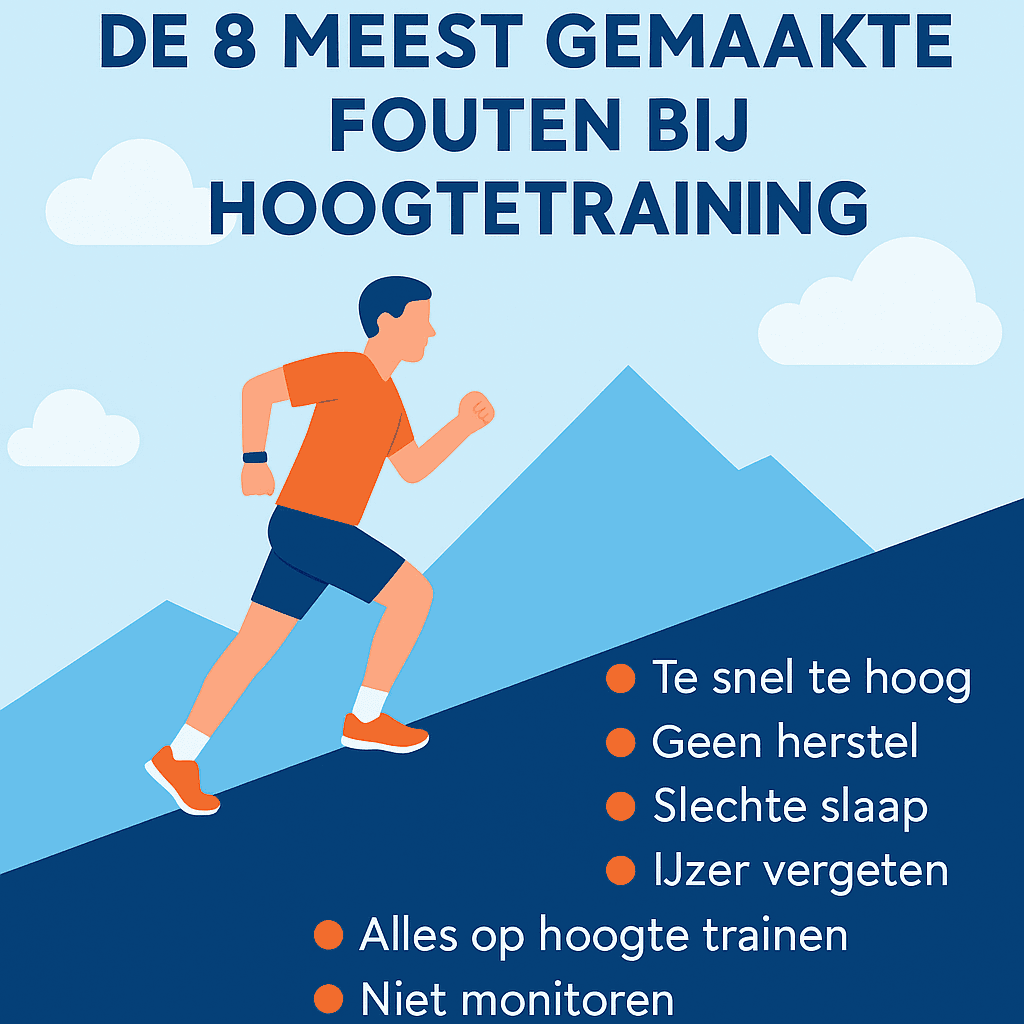
In this article, you will discover the 8 most common mistakes in altitude training - and most importantly, how you can cleverly avoid them. That way, you will get the most out of your stay at altitude or your training in an altitude tent.
1. Wanting to go too high too soon
Many athletes immediately opt for a big jump on their first altitude training, such as sleeping at an altitude of 3,000 metres or higher. That sounds cool, but your body often cannot cope. The result: headaches, insomnia, extreme fatigue and sometimes even altitude sickness.
How to avoid this?
- Always start at a moderate level: around 2,000 - 2,300 metres is ideal.
- Increase the height gradually, only when your body responds comfortably.
- Give yourself at least 2-3 days to get used to a new altitude.
2. Not scheduling recovery days
Altitude training demands a lot from your body. The lack of oxygen puts extra pressure on your recovery. Those who want to train intensively every day are more likely to run into strain and injuries.
How to avoid this?
- Consciously schedule light days or full rest days.
- Listen to your body: persistent fatigue or high resting heart rate means you need to slow down.
- Alternate hypoxia days (sleeping or training in low-oxygen conditions) with days at normal altitude.
3. Too little focus on sleep quality
Sleep is the time when your body adapts to the stimulus of altitude. So poor sleep quality also means less effect from your training. Many athletes underestimate this and sleep in a altitude tent or altitude room under sub-optimal conditions.
How to avoid this?
- Make sure your environment is comfortable and quiet.
- Build up the duration in an altitude tent slowly (first 3 - 4 hours per night, only then full nights).
- Choose a room or tent large enough for your bed and sleeping habits.
4. Iron and nutrition forgotten
Your body needs iron to make extra red blood cells. Without a sufficient iron supply, the effect of altitude training is limited. A lack of other nutrients can also significantly inhibit results.
How to avoid this?
- Have your iron status (ferritin) measured beforehand.
- Ensure an iron-rich diet: red meat, spinach, legumes, whole grain cereals.
- In consultation with a sports doctor or dietician, consider a iron supplement.
- Don't forget protein and sufficient calories for recovery, too.
5. Training only high
A classic mistake is that during their altitude training, athletes want to do everything at altitude: sleep, train and intensive sessions. The problem is that oxygen deprivation means you can't always reach the desired intensity. As a result, you lose speed and strength.
How to avoid this?
- Follow the principle Sleep high, train low:
- Sleeping at altitude (marquee, altitude room, hotel or mountain area).
- Intensive training in the lowlands, where more oxygen is available.
- Combine gentle endurance training at altitude with strength and interval training lower down.
6. Not taking measurements or monitoring
Altitude training is not a matter of going by feel - you often don't notice until late if your body is overloaded. Without measurements, you run the risk of doing too little or too much.
How to avoid this?
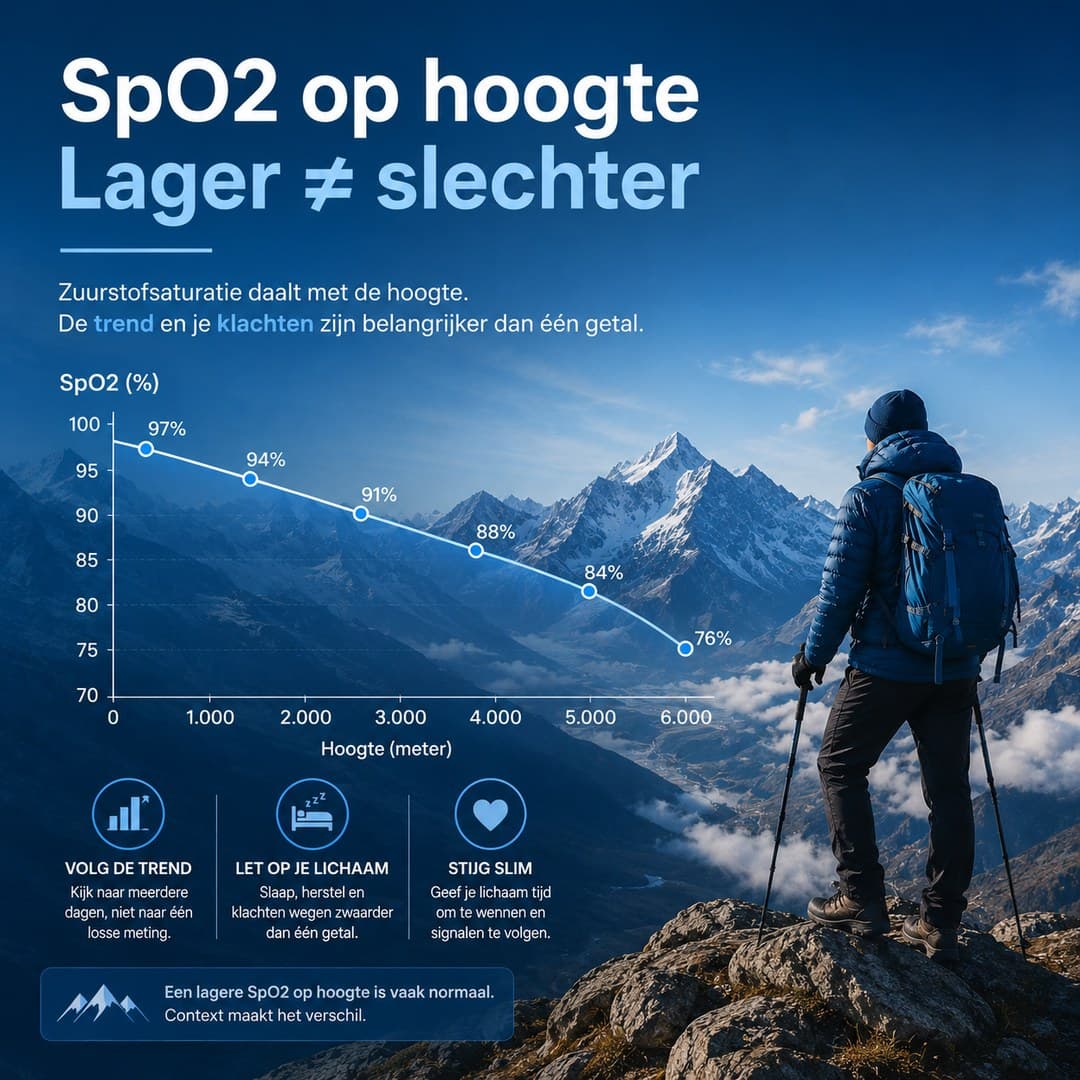
- Measure your oxygen saturation (SpO2) regularly, especially in the morning (see also our measuring equipment for monitoring).
- Track your resting heart rate and sleep quality.
- Note how you feel (energy level, fatigue, muscle pain).
- Use this data to make timely adjustments.
7. Training too short or at the wrong time
Many athletes do too short a stage or start their altitude training too late, resulting in minimal effect. Timing towards an important competition is also often misjudged.
How to avoid this?
- Count on at least 3 to 4 weeks altitude training for noticeable effect.
- Finish your altitude training about 7 to 10 days for your peak competition - which is often the optimal window.
- When using a high altitude tent at home: start 6 weeks before your competition and build up gradually.
- Scientific evidence confirms this: the Impact of Altitude Training on Athletes' Aerobic Capacity (2025) shows that workouts longer than three weeks usually give the best results.
8. Starting altitude training if you are not fit
Altitude training is an extra burden on your body. As with any training stimulus, only a fit and healthy body can convert the stimulus into progression. Those who are sick, overtrained or recovering from injury risk high altitude training doing more harm than good.
How to avoid this?
- Start altitude training only if you are healthy and injury-free.
- First, work on a solid base condition at sea level.
- Have you just come off a serious illness or injury? Build back your normal workouts slowly before starting hypoxia.
Practical experiences: what we often see
At Altitude Dream, we have been working with elite athletes and aspiring recreationalists for more than 15 years. The mistakes above recur time and again - and fortunately, so do the solutions. Athletes who build their plan carefully, respect nutrition and recovery, and take monitoring seriously often achieve impressive results. Also read the customer experiences who came before you.
Conclusion
Altitude training can give your performance a solid boost - provided you avoid the classic pitfalls. By building up slowly, taking your recovery and nutrition seriously, and planning your workouts smartly, you will turn altitude into your secret weapon.
- Rent or buy an altitude tent for home use
- Altitude room or altitude hotel via Taeru
- Find more tips on our blog
- Personal advice tailored to your sporting goals