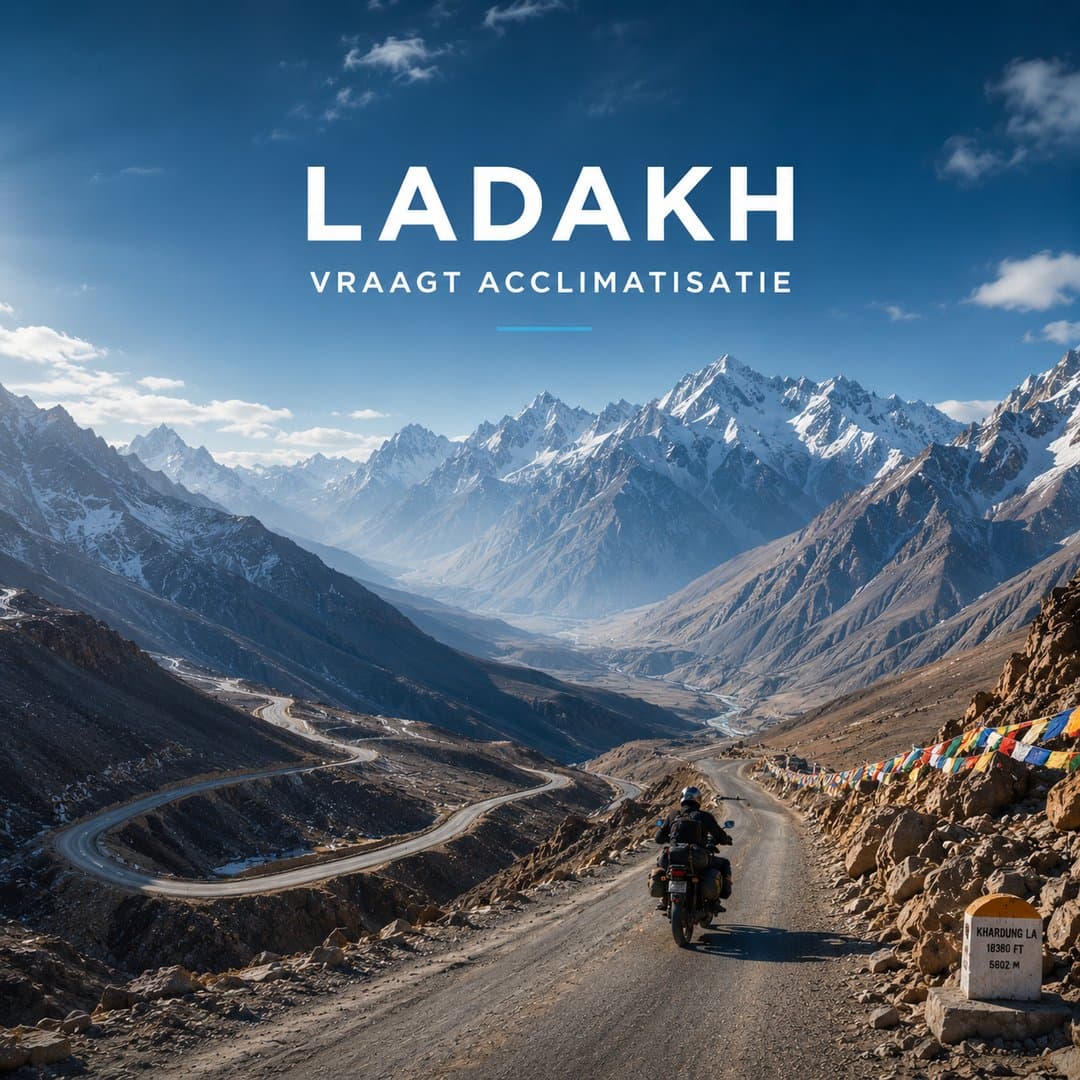
Altitude training: how it works, what it costs and whether it makes sense for you
Published 16 February 2026 · 3 min read
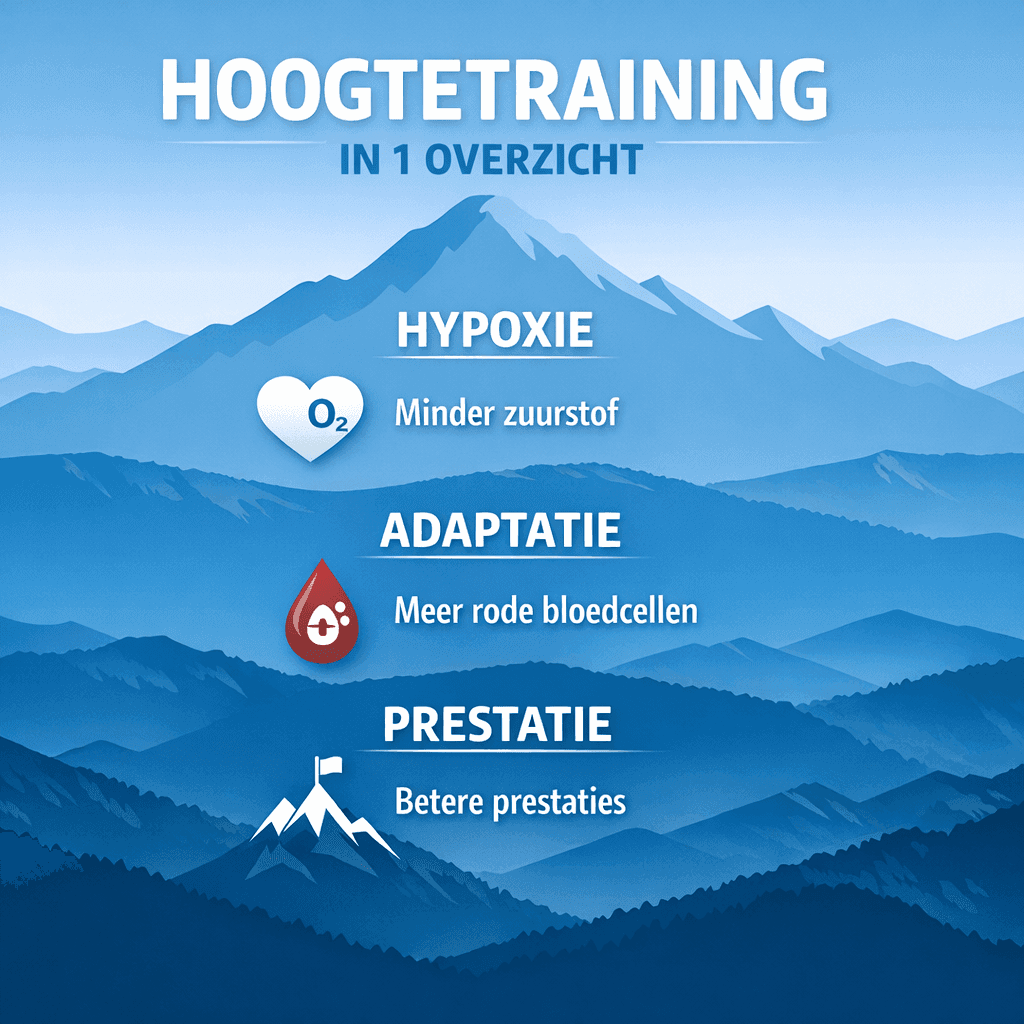
Height training is a method where you expose the body to low-oxygen air to stimulate physiological adaptations. This can be done at altitude in the mountains or at home via an altitude tent with normobaric hypoxia. The goal varies: better sports performance or less risk of altitude sickness during an expedition. This article will give you a clear overview: how it works, what it costs, and, above all, whether it makes sense for you.
What exactly is altitude training?
Altitude training means exercising or sleeping in conditions with less available oxygen. At altitude, air pressure drops, reducing the amount of oxygen per breath. The body responds with adaptations such as increased breathing, blood volume adjustment and EPO stimulation.
Also read the detailed explanation at altitude training.
The most studied strategy is Live High Train Low: sleep at altitude and train lower to maintain training quality. Read more at sleep high train low.
How does altitude training work physiologically?
At the heart of altitude training is hypoxia. Less oxygen means lower oxygen saturation. The body detects this via peripheral chemoreceptors.
Step 1: Acute response
- Accelerated breathing
- Increased heart rate
- Drop in SpO2
Step 2: Hormonal response
The kidneys increase the production of EPO. This stimulates red blood cell formation.
Step 3: Structural adaptation
- Increase in haemoglobin
- Improved oxygen transport capacity
- More efficient mitochondrial function
Read the floor via how altitude training works.
High altitude tent versus altitude touring
You can go to the mountains or use an altitude tent at home.
Altitude internship
- Natural hypoxia
- Full immersion
- High costs and travel time
Altitude tent
- Normobaric hypoxia
- Sleep as a primary stimulus
- Training quality is maintained
- SpO2-controlled adjustment possible
Important: an altitude tent is no substitute for acclimatisation, but it will significantly reduce the risk of altitude sickness.
Read the complete guide on how to use it via altitude tent use.
What does altitude training cost?
1. High-level internship abroad
- Flight and accommodation: €1,000 to €3,000
- Training camp 2 to 4 weeks
- Indirect costs: missed working hours
2. High altitude tent at home
- 4-week rental: €590 on average
- No travel or accommodation costs
- Flexibly deployable
The investment depends on your goal and schedule.
When does altitude training make sense?
For sports performance
- Marathon preparation
- Cycling season
- High-level triathlon
For expeditions
- Mont Blanc
- Kilimanjaro
- Aconcagua
Want to understand altitude sickness better? Then read altitude sickness.
This is how you monitor this lens
Successful altitude training requires monitoring.
1. SpO2 trend
Measure daily and look at trends over several days. A steady decline followed by recovery indicates adaptation.
2. Sleep quality
Pay attention to sleep-through and subjective rest score.
3. Recovery feeling
Watch for fatigue, headaches or performance loss.
Decision rule: decreases SpO2 progressively and sleep remains disturbed for more than 4 days, lower the simulated altitude.
Who is it less suitable for?
- Insufficient iron status
- Chronic sleep disorders
- No consistent training structure
Decision aid
Ask yourself:
- Do I have a concrete performance goal?
- Am I going above 4,000 metres?
- Can I plan for at least three to four weeks?
If so, altitude training probably makes sense.
Conclusion
Altitude training works, if properly applied and monitored. It requires planning, discipline and objective evaluation. For athletes, it increases oxygen transport capacity. For expeditioners, it significantly lowers the risk of altitude sickness.
Want to know what is wise in your situation?
Sports performance:
View sports packages
Or read the experiences from our customers
Expedition 4000m+ to +8000m:
View shipping packages
Or read the experiences from our customers