The role of iron and nutrition during altitude training
Published 26 October 2025 · 6 min read
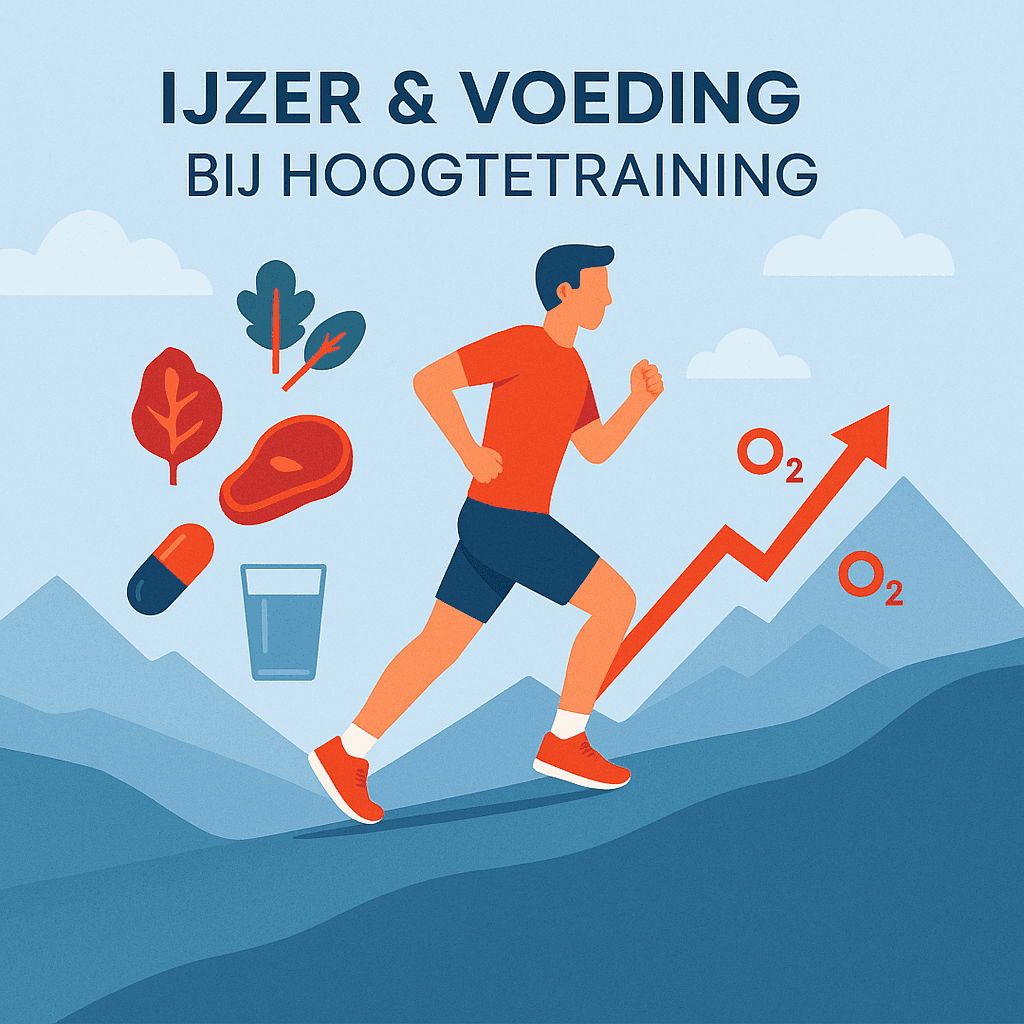
If you want to get the most out of altitude training, you need to smartly manage iron management and daily nutrition. In this article, you will learn how iron, hepcidin, timing of meals and the right supplements combine to make the difference between mediocre and maximum altitude gains. Includes checklist, sample menu and a 6-week plan.
Why iron is the silent engine behind height gain
High altitude training stimulates the production of red blood cells. That process consumes iron. Sufficient iron in your diet and body stores is therefore crucial to convert the stimulus of altitude into more haemoglobin and better oxygen transport. If iron status is too low, performance improvements often fail to materialise, even if you bravely sleep your hours in the altitude tent.
If you want to brush up on the basics about high altitude tents first, check out our guide High altitude tent: the advantages and disadvantages and read how to choosing the correct height setting. That way, you can be sure that your protocol and your iron strategy are aligned.
Iron 101: forms, functions and absorption
- Function: Iron is a building block of haemoglobin and myoglobin and plays a role in energy metabolism and immune function.
- Forms: Heme iron is mainly found in meat and fish. Non-heme iron is found in plant products and fortified cereals.
- Recording boosters: Vitamin C with meals helps non-heme absorb iron better.
- Remmers: Large amounts of coffee, tea, calcium and some whole grains can temporarily inhibit absorption when taken just with an iron-rich meal.
If you want to consult the official background, check out the NIH fact sheet Iron Fact Sheet for Health Professionals. For athlete-focused info, the Australian Institute of Sport's page on iron deficiency in athletes useful.
Hepcidin: the hormone that directs your iron absorption
During intense exercise and hypoxia at altitude, the hormone can hepcidin rise temporarily. This limits absorption from the gut and reuse of iron in the body. The upshot: your iron strategy will only work if you consider timing around training and sleep in the altitude tent.
What blood values do you have tested and when
Have your iron status checked in good time, preferably 2-3 weeks before the start of your altitude training, and schedule a repeat halfway through a long altitude period. Discuss with your doctor or sports dietitian:
- Ferritin as a storage marker
- Haemoglobin and hematocrit
- Transferrin and transferrin saturation
- CRP or other inflammatory markers to recognise elevations in ferritin due to inflammation
High-risk athletes such as endurance athletes, female athletes and vegetarians would do well to monitor more frequently. A good introduction for coaches is at Sports Dietitians Australia: Iron Depletion.
Iron-rich food sources and smart combinations
Top sources with heme iron
- Beef, veal, lamb, game
- Liver and offal
- Seafood such as mussels and oysters
Top sources with non-heme iron
- Legumes such as lentils, chickpeas and beans
- Wholemeal bread, oatmeal and fortified breakfast cereals
- Pumpkin seeds, sesame, nuts and dark leafy vegetables
Combination tips: add source of vitamin C such as paprika or citrus, and schedule coffee or tea at least 60 to 90 minutes apart from your iron-rich meal. General reference: NIH ODS on iron.
Timing around training and sleeping in the altitude tent
Because hepcidin rises after heavy exercise, choose the iron-rich meal or any supplement preferably in the morning on a rest day or at least 3 to 4 hours after a heavy session. If you sleep in an altitude tent, also position that iron intake smartly in relation to your night in hypoxia. You can find our explanation on sleep and altitude training here: impact of altitude training on sleep quality.
Also, don't make classic mistakes like wanting to go too high too soon. See: the 8 most common mistakes in altitude training.
When are iron supplements useful
Only supplement in consultation with doctor or sports dietitian and based on blood values. That is also the line in the IOC consensus on supplements: targeted, evidence-based and tested in training.
For athletes who sleep in an altitude tent and have rising needs, an easily absorbable form such as iron bisglycinate can help. At Altitude Dream, we opt for this ERYTHROMAX with cofactors to support red blood cell formation. Always choose a product with transparent composition and take it at appropriate times, separate from coffee or calcium-rich foods.
More background for coaches and medical staff: GSSI overview Contemporary approaches to iron deficiency in athletes.
Practical 6-week plan: nutrition, iron and altitude tent
Phase 1: preparation 2 weeks
- Have blood values determined and evaluate with professional.
- Increase dietary intake from natural iron sources and add vitamin C with main meals.
- Schedule coffee and tea outside your ironing moments.
- Record your altitude schedule: hours and altitude. Need help with set up, see this guide.
Phase 2: build-up 2 to 3 weeks
- Build up time in the altitude tent gradually to full nights. Guideline and tips can be found in our articles on choosing the right height.
- Plan your iron intake in the morning or well after heavy workouts.
- Focus meal 1 a day high in iron. Example: chilli with beef and beans, wholemeal rice, orange salad.
Phase 3: consolidation and taper 1 to 2 weeks
- Maintain consistent nutritional routine, monitor fatigue and sleep.
- Repeat blood check if elevation period is long or symptoms persist.
- Prepare your competition nutrition and avoid new supplements in the last week.
Hydration and altitude
At altitude, you lose extra fluid through breathing and possibly higher ventilation. Monitor your fluid intake and add sodium during long workouts.
Common mistakes and how to avoid them
- Starting measuring too late: Without initial measurement, you won't know if your supply is sufficient. So arrange blood tests in good time.
- Clumsy timing: Take iron at the same time as coffee, tea or calcium. Plan to take it separately.
- Not enough nutrition: energy deficiency can amplify the hepcidin response and put iron balance under pressure. More on this in this overview of REDs and hepcidin.
- Too fast too high: build controlled. Check our error list.
Checklist iron and nutrition for your height block
- Blood check with ferritin, haemoglobin and transferrin saturation requested
- Altitude schedule worked out and tailored to training sessions
- Daily 1 focus meal rich in iron plus vitamin C
- Coffee and tea at a safe distance from your iron moments
- Supplement policy coordinated with doctor or sports dietitian
- Hydration plan in place
Frequently asked questions
Should everyone at altitude take extra iron
No. Supplements are tailor-made. Get blood values checked first and consult with a professional. See the IOC consensus For the general guideline around supplement use in elite athletes.
Which is better: heme or non-heme iron
Heme-iron is absorbed more efficiently, but with clever combinations, a plant-based menu can also suffice. The NIH factsheet clearly sets out the differences.
When do I schedule another blood test
For long altitude blocks or persistent fatigue, repeat within 4 to 6 weeks. Consult with your team doctor or sports dietitian.
Further reading and next steps
- Want to rent and experience first: rental service
- Need personal advice on your iron strategy and elevation scheme: contact our team