
What is the optimal time to schedule altitude acclimatisation before your next peak race?
Published 22 June 2025 · 3 min read
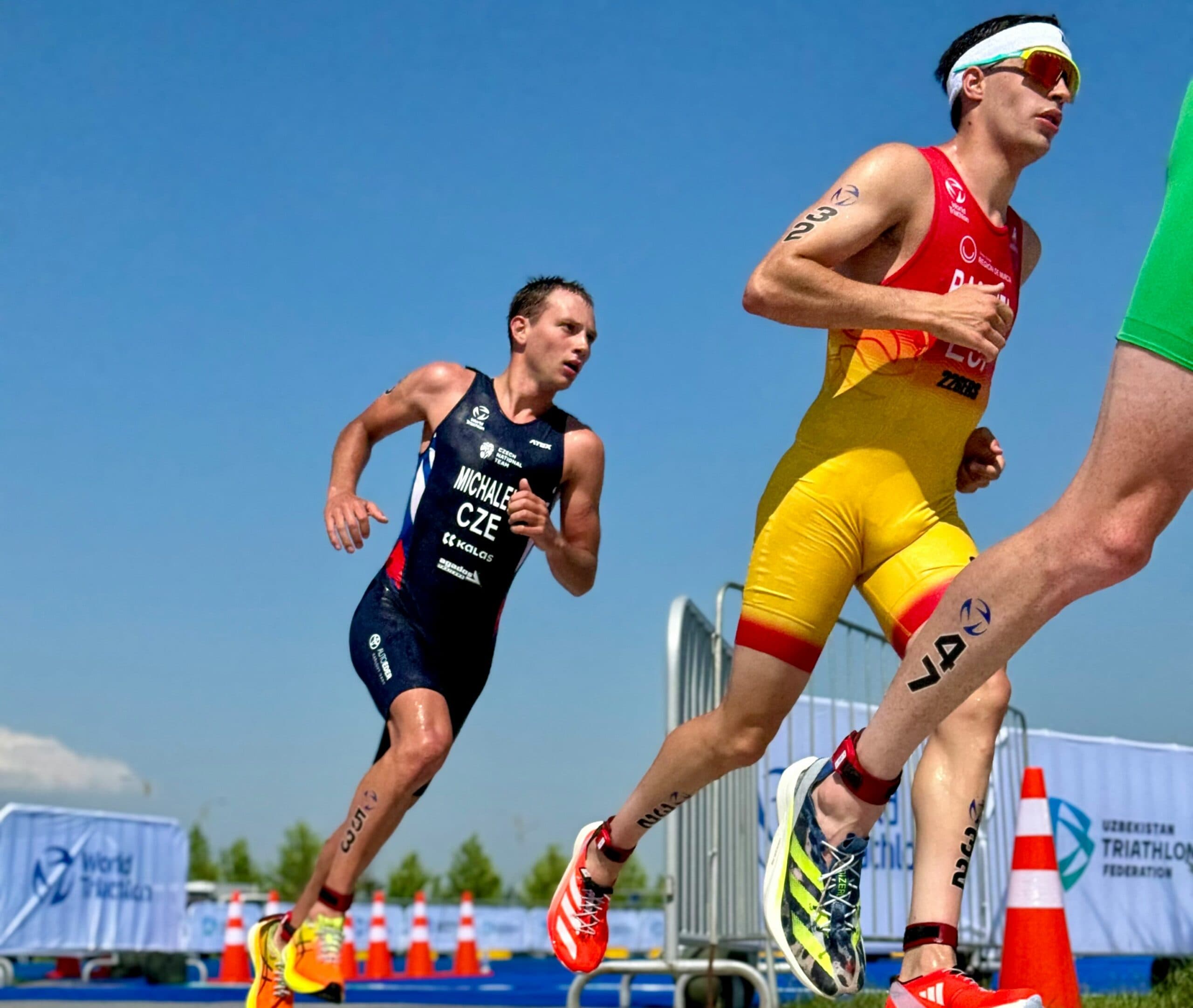
Altitude training is hot. More and more (elite) athletes are harnessing the power of altitude acclimatisation to maximise their endurance, oxygen uptake and performance. But a crucial question often remains unanswered:
When do you start altitude training to peak at the right time?
In this article, you will discover the ideal timing of altitude training ahead of your important race. Including practical schedules, scientific insights and tips from the experts at Altitude Dream - the specialist in altitude training in the Benelux.
Why timing of altitude training is crucial
Altitude training not only affects your physical performance, but more importantly when those effects become noticeable. If you train too early or too late, you will miss out on the benefits exactly when you need them - during your peak competition.
How does altitude acclimatisation actually work?
When exposed to altitude (or hypoxia via an altitude tent), a series of physiological changes occur:
- Increased production of EPO (erythropoietin)
- More red blood cells, better oxygen transport
- Increased capillarisation (blood flow)
- Reinforced aerobic endurance
But these changes take time. And just as important: they do not peak the moment you stop your altitude training, but only a few days to weeks afterwards.
The golden rule: peak between day 7 and 21 after your altitude period
Research and practical experience show that athletes usually perform their best between the 7th and 21st day after the end of their altitude training or altitude training programme.
Ideal timing: leave altitude 14 days before your race.
Why?
- Day 1-6: your body recovers from the altitude load
- Day 7-21: maximum effect of increased haematocrit and oxygen capacity
Please note that this is an average. The exact timing depends on your sport, duration of altitude training, experience with hypoxia and genetic response.
Practical timing by type of athlete
???? Marathon runners
- Altitude internship of 3 weeks
- Last day at altitude: 10 days before your marathon
- Why: Provides optimal haematological peak without altitude fatigue
???? Cyclists
- Longer season, more periodisation
- Use high altitude tent in cycles of 3 weeks
- Match incentive: plan peak competition 10-16 days after hypoxia block
????♂️ Triathletes
- Complex due to combination of three disciplines
- Combine "Live High, Train Low" in preparation
- Note: Swimming at altitude requires extra adaptation
Height training at home: more flexibility, same effect
Thanks to the latest generation of height tents and height chambers you no longer need to go to the Alps or Sierra Nevada. You simply create your own altitude environment at home - with more control over timing as well as load.
Pro tip: 4 weeks before your race, start sleeping in an altitude tent. Slowly increase the altitude to 2,500 metres. Stop 7-10 days before your peak event.
Want to know more about how a high altitude tent works? Also read: How does a high altitude tent work?
Common timing mistakes (and how to avoid them)
- Late start - your body needs at least 10 days to adapt
- Insufficient recovery after altitude - fatigue masks the positive effect
- No plan - height only works if it is correctly integrated into your training period
Want to know which timing is ideal for you? Ask our specialists for free:
Schedule a consultation
Conclusion: plan your peak smartly, train with altitude
Altitude training works - if you time it right. Choose your peak goal, plan back, and tune your altitude block accordingly. That way, you get maximum benefit from your effort. Whether you choose a altitude training abroad or a altitude tent at home, proper planning makes the difference between competing and dominating.
Ready to plan your peak?
Let the experts at Altitude Dream guide you. We work daily with (top) athletes, triathletes, cycling teams and coaches on altitude programmes that really work.


